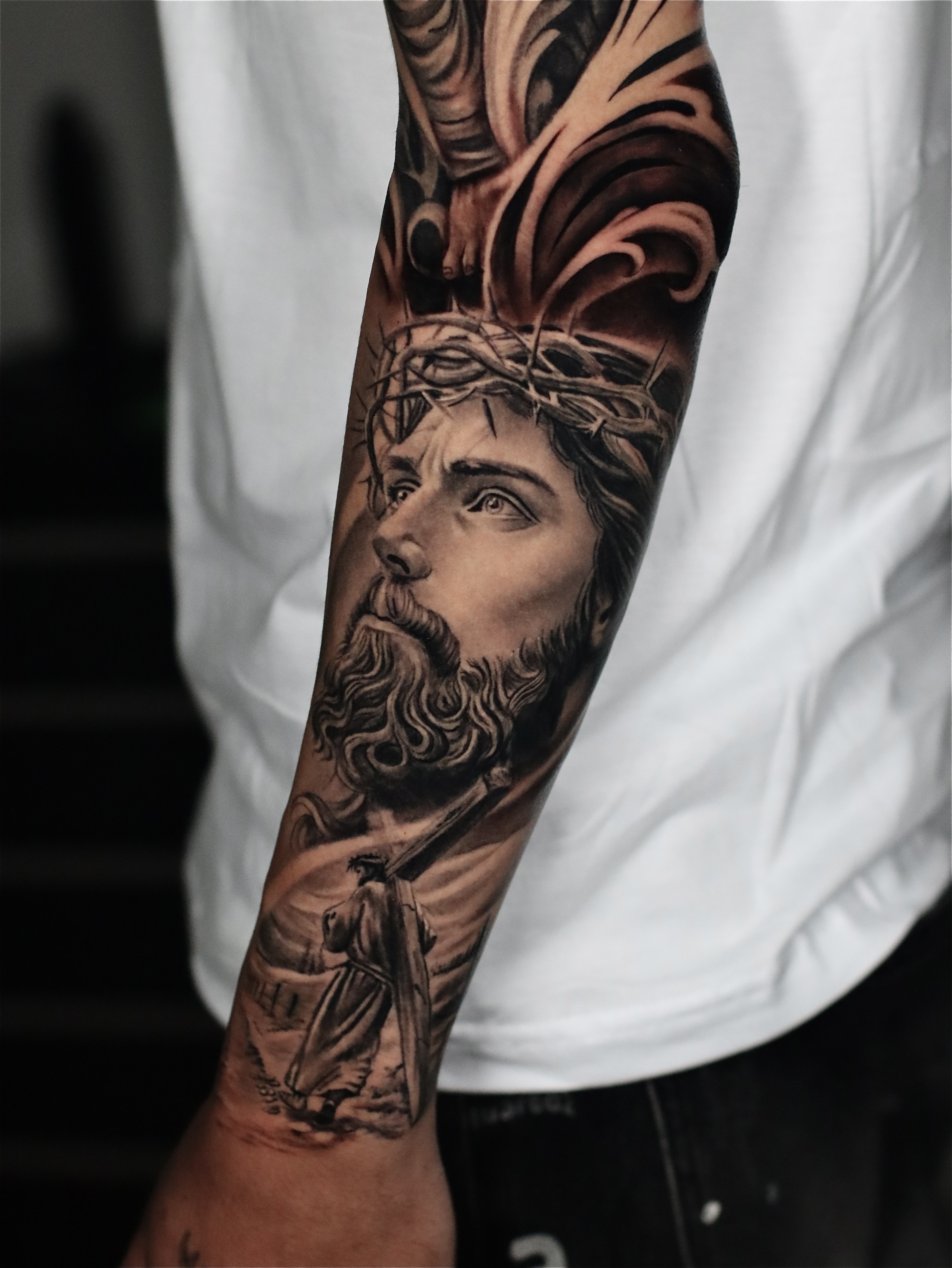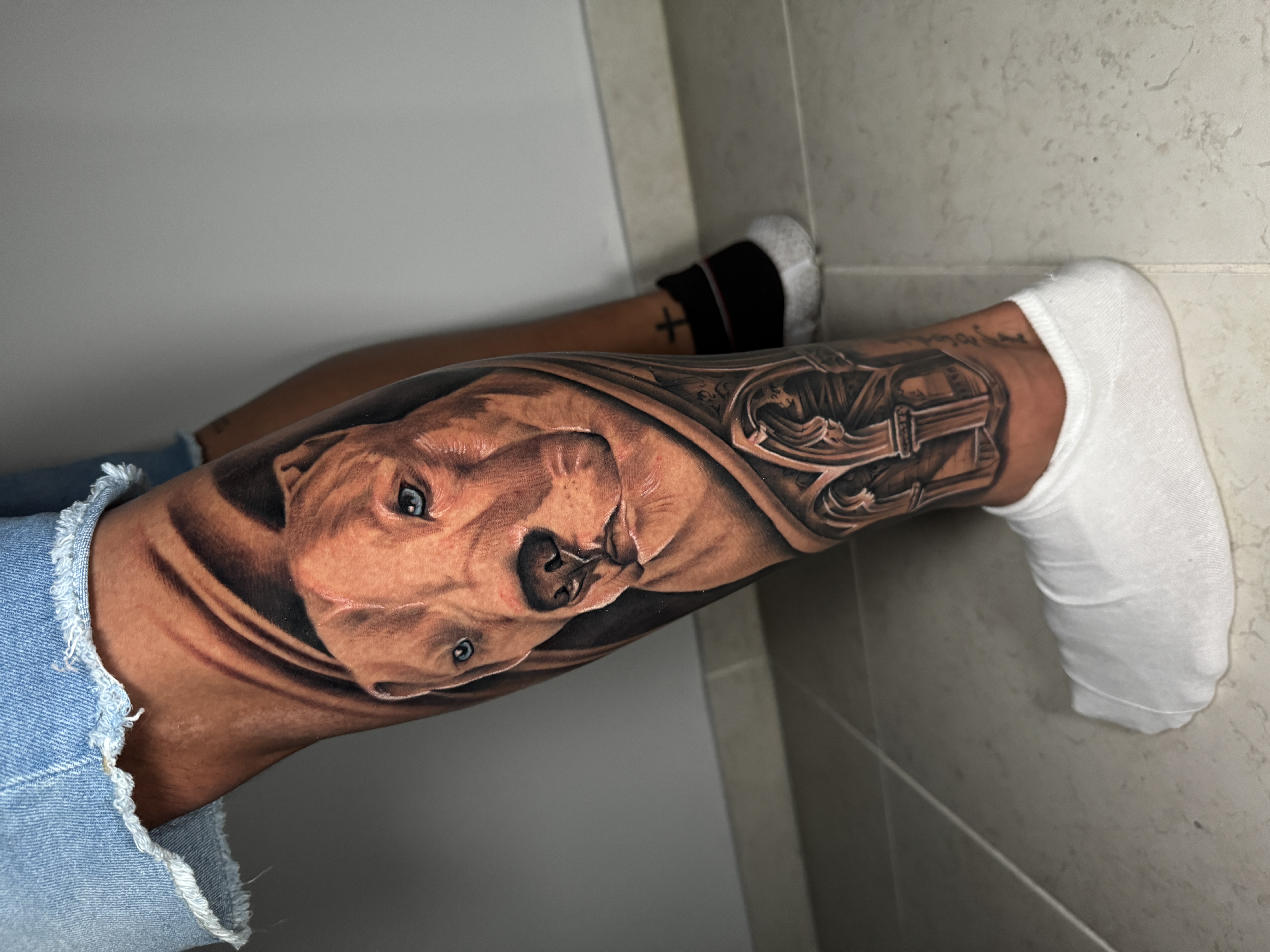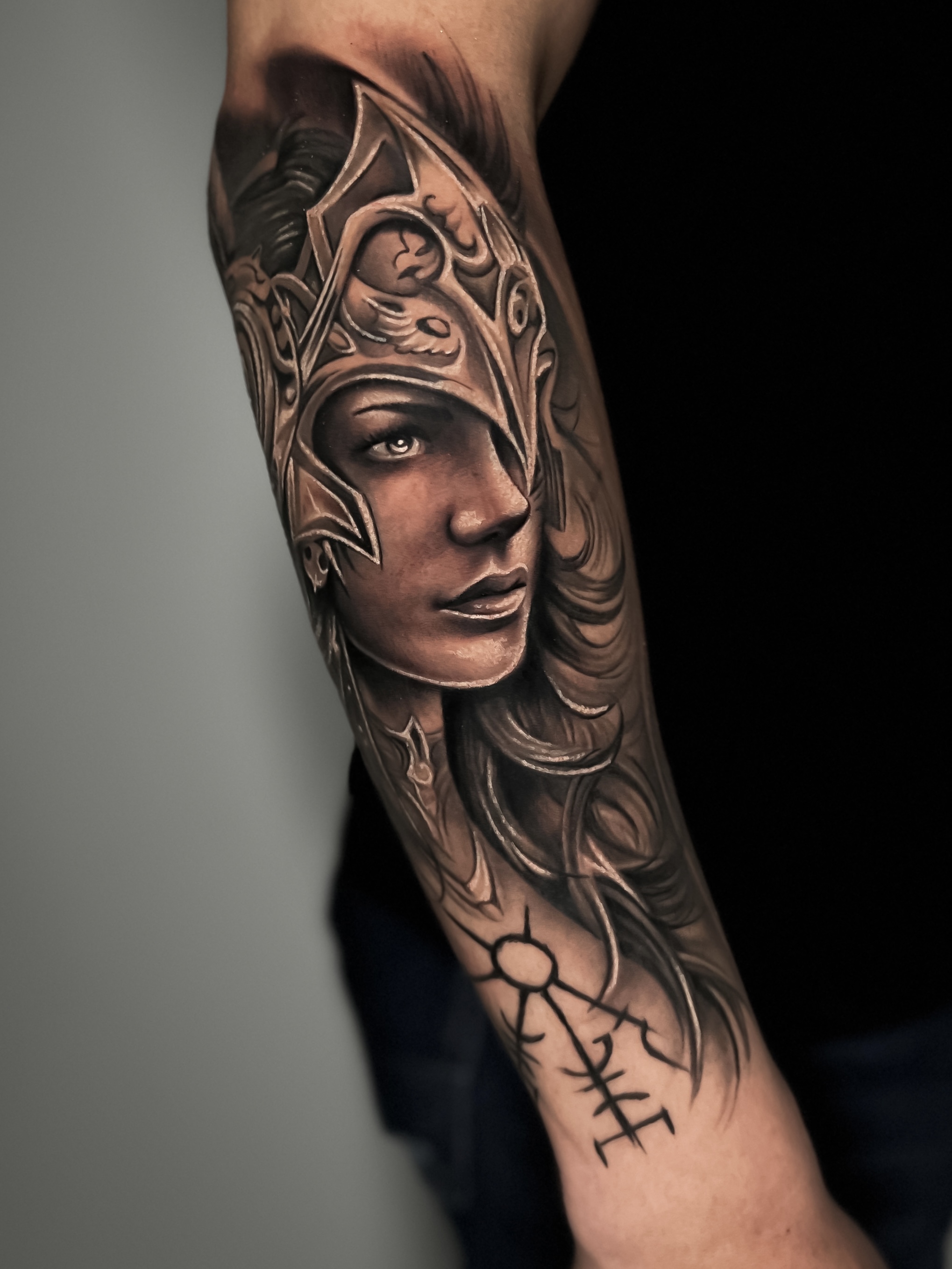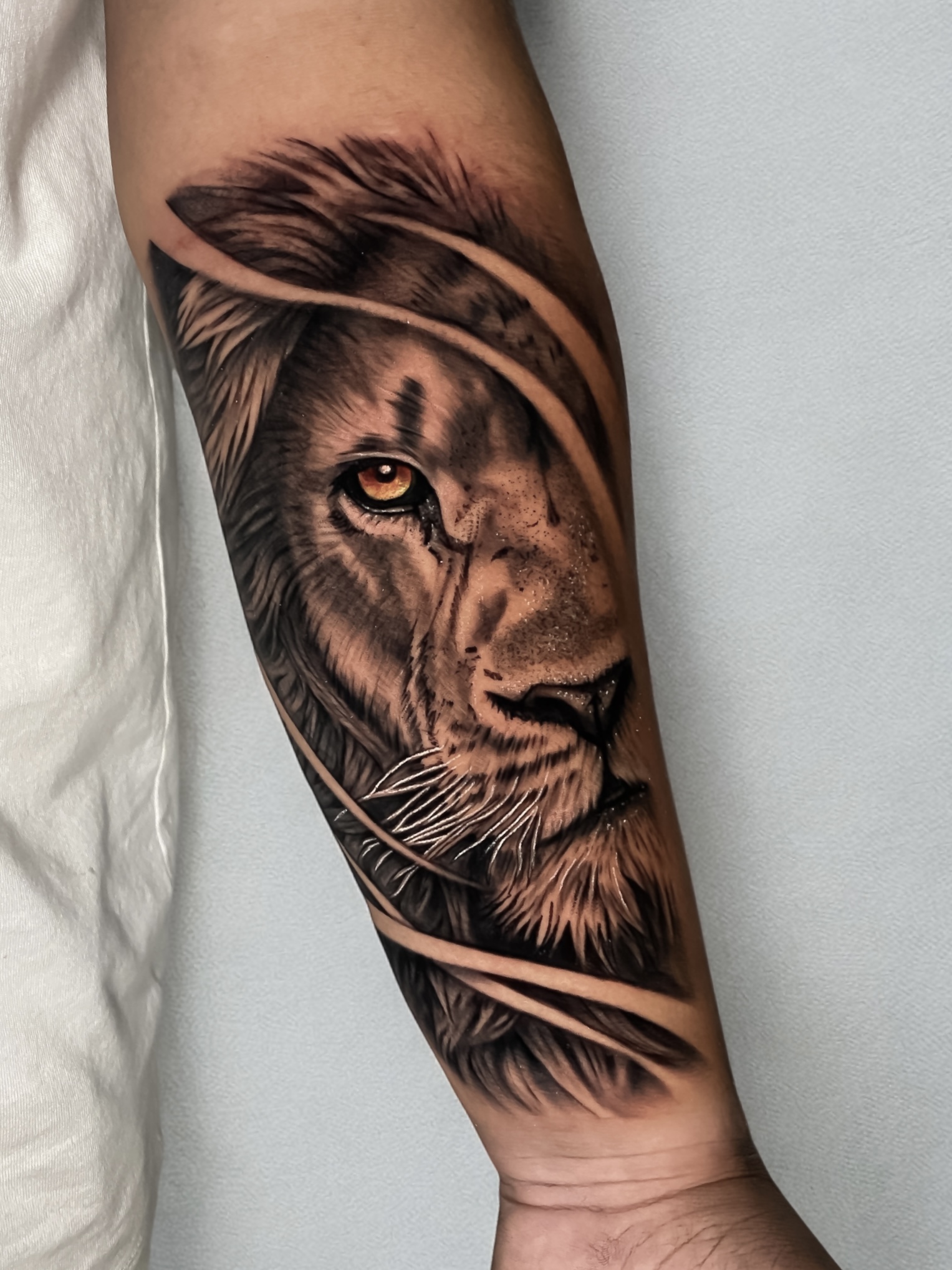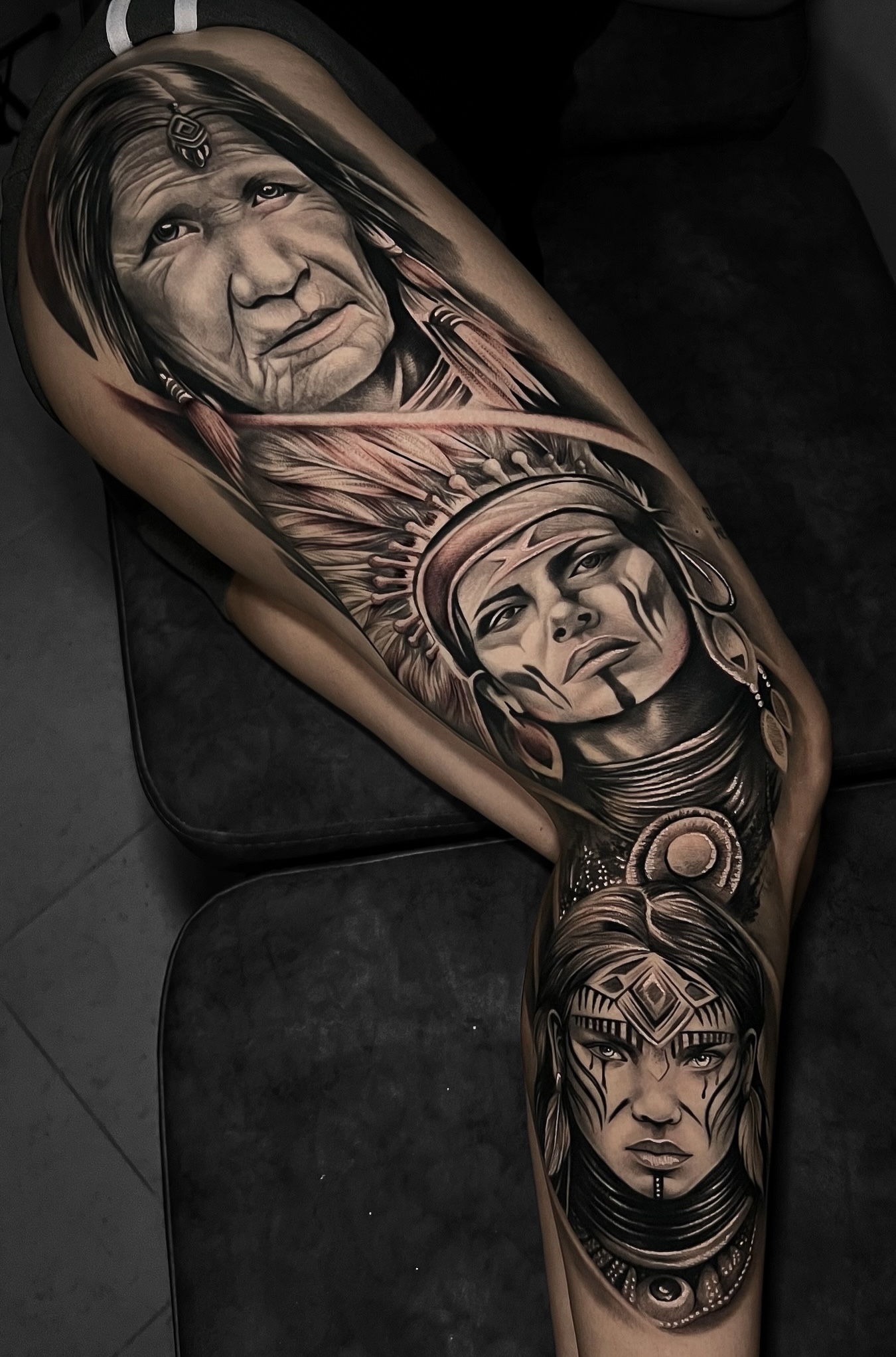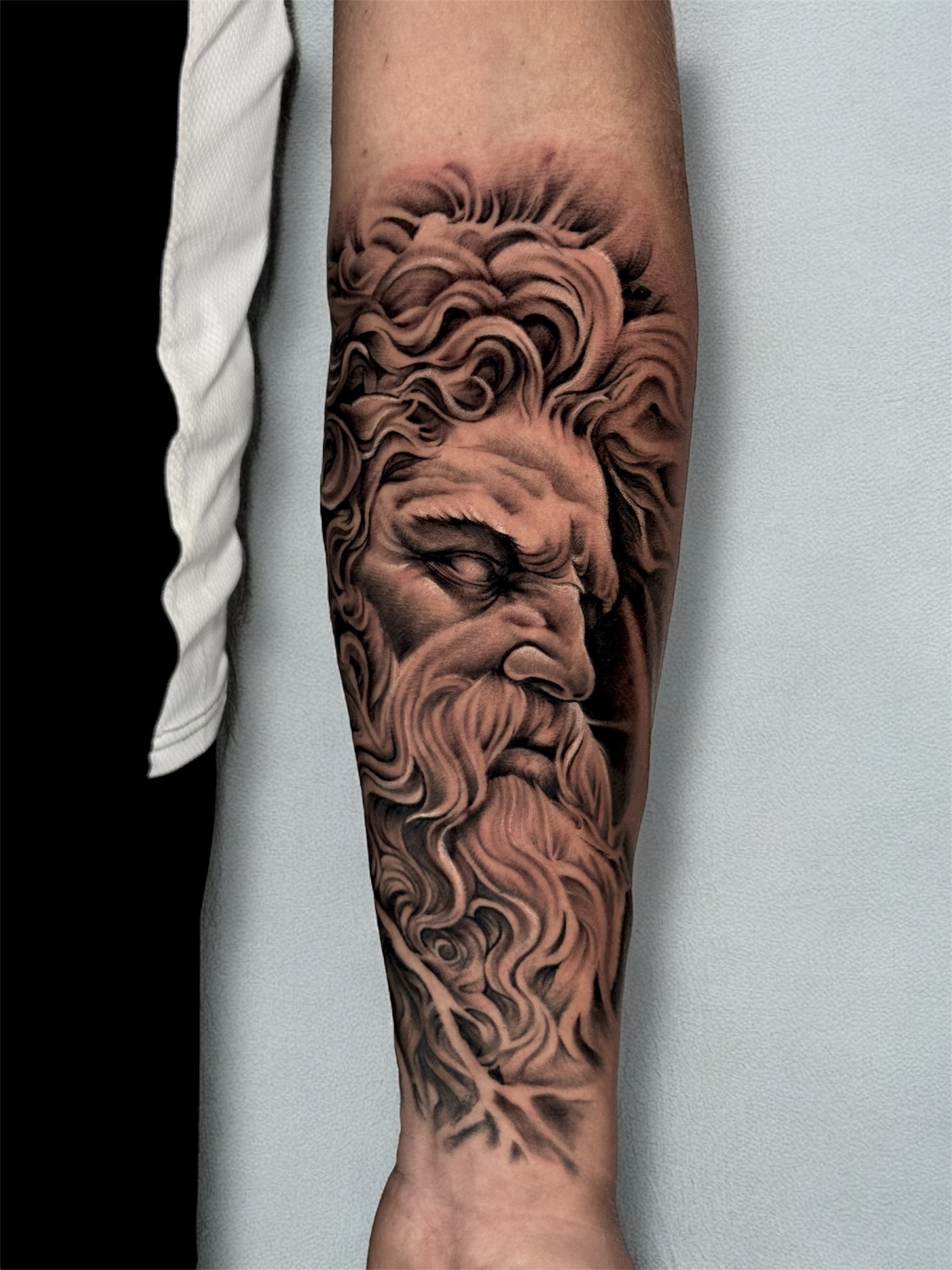
Undergoing an intensive dermal procedure for multiple hours subjects the physiological system to acute stress. Preventing blood pressure drops, excessive swelling, and pigment rejection is rooted in the decisions made during the critical 24 hours before stepping through the studio door. Below is the definitive checklist validated by professional standards.
Phase 1: Internal physiological preparation (T - 24 hours)
- Water overloading: Cellular hydration facilitates needle penetration, reduces bleeding, and promotes ink retention. Aim to consume 3 to 4 liters of diuretic-free water the day prior.
- Chemical restrictions: Caffeine and alcohol are vasodilators and blood thinners. Consuming them before a tattoo drastically increases subcutaneous bleeding. Increased bleeding forces the artist to constantly wipe the area, prolonging the session and redundantly irritating the skin. Avoid them 24-48 hours beforehand.
- Key Macronutrients: The night before, focus on a high glycemic density diet (pasta, white rice, or potatoes). Your body will rapidly consume glucose fighting systemic trauma.
Phase 2: Topical interventions and dermacare (T - 12 hours)
There is a myth that you should aggressively shave the area before going to the studio. **This is a critical error.** Inexperienced shaving with generic razors causes superficial micro-abrasions and even razor burn. Tattooing over a micro-abrasion causes scarring and a much higher pain process. The correct protocol is to wash the area gently with neutral soap, apply a very light moisturizer (no heavy oils or petroleum jelly) the night before, and allow the professional artist to sterilize and shave the area on-site.
Phase 3: Day-of session logistics (T - 2 hours)
The day of the appointment is not the time for high fashion. Dress with surgical intent:
- Expansive accessibility: If you are getting your thigh tattooed, wear loose, removable pants. If it's the upper back, wear shirts that open in the front without pulling over your head causing friction.
- Dark tones: Carbon ink is highly volatile, as are stencil transfer gels. Wear pure cotton black clothing to avoid ruining your garments.
- Tactical provisions: Prepare a "survival kit": commercial electrolyte or isotonic drinks to replenish salts lost during pain-induced sweating, and simple sugary snacks (chocolate bars, gummies, or bananas) ready for break times.