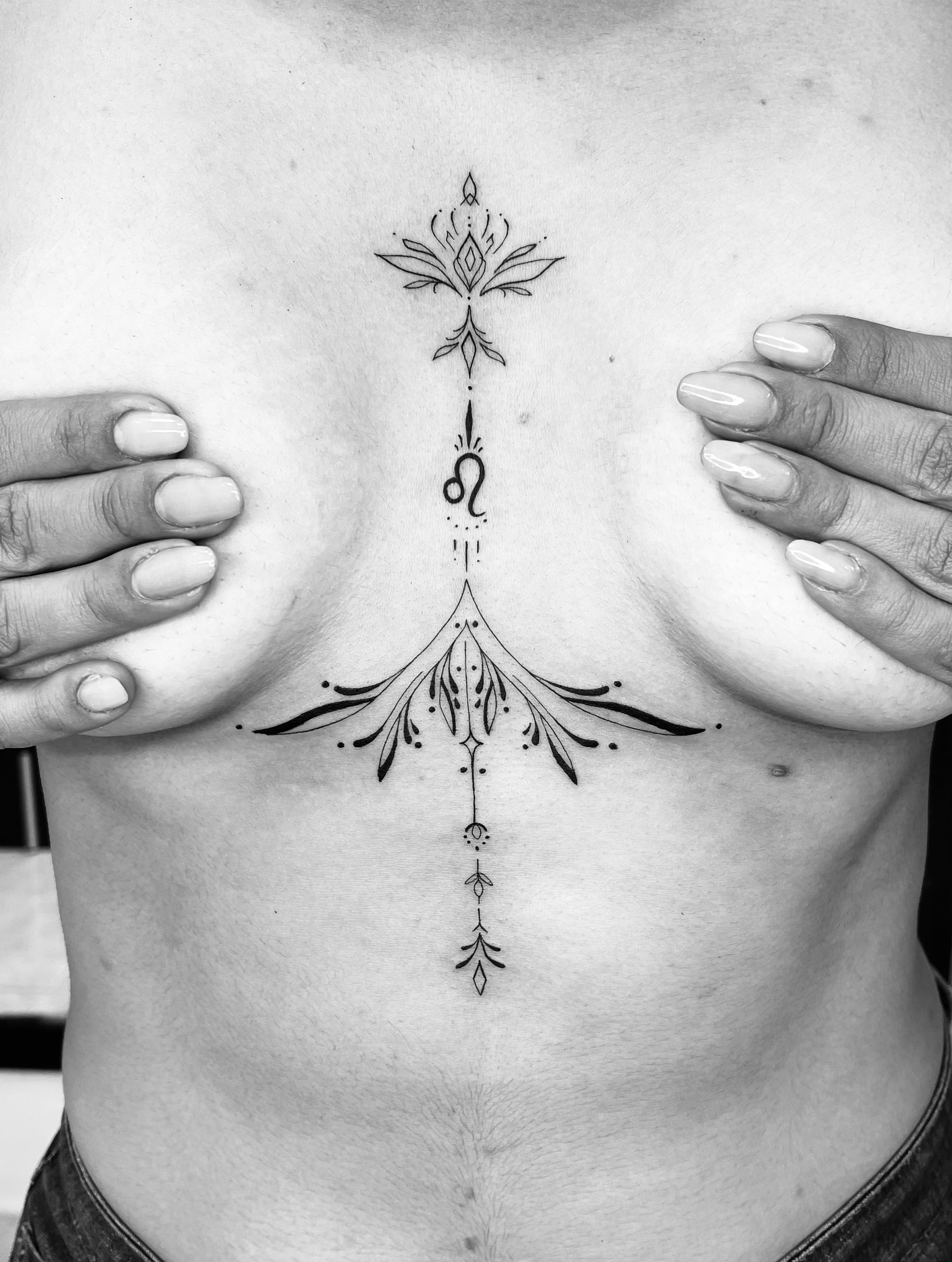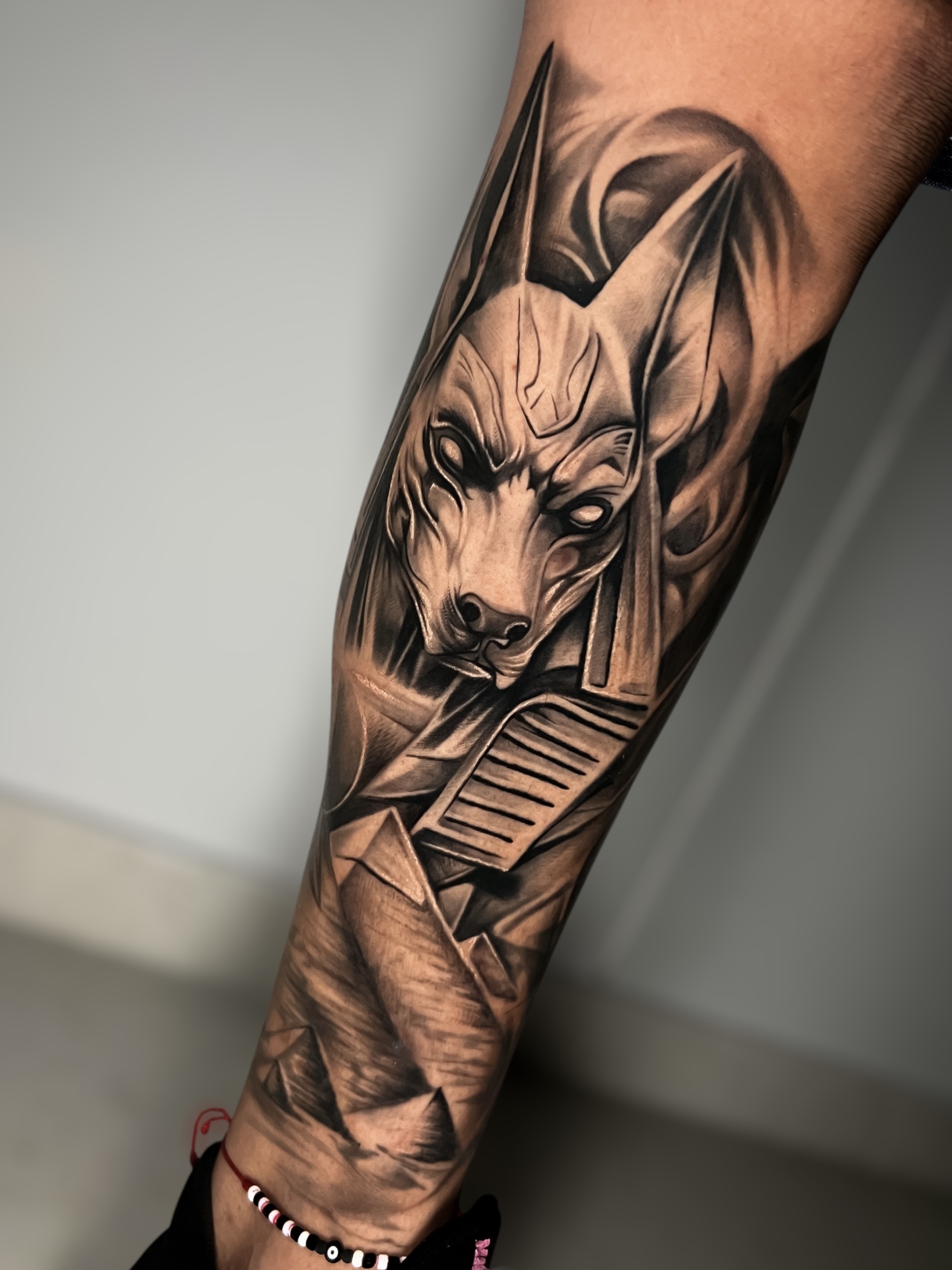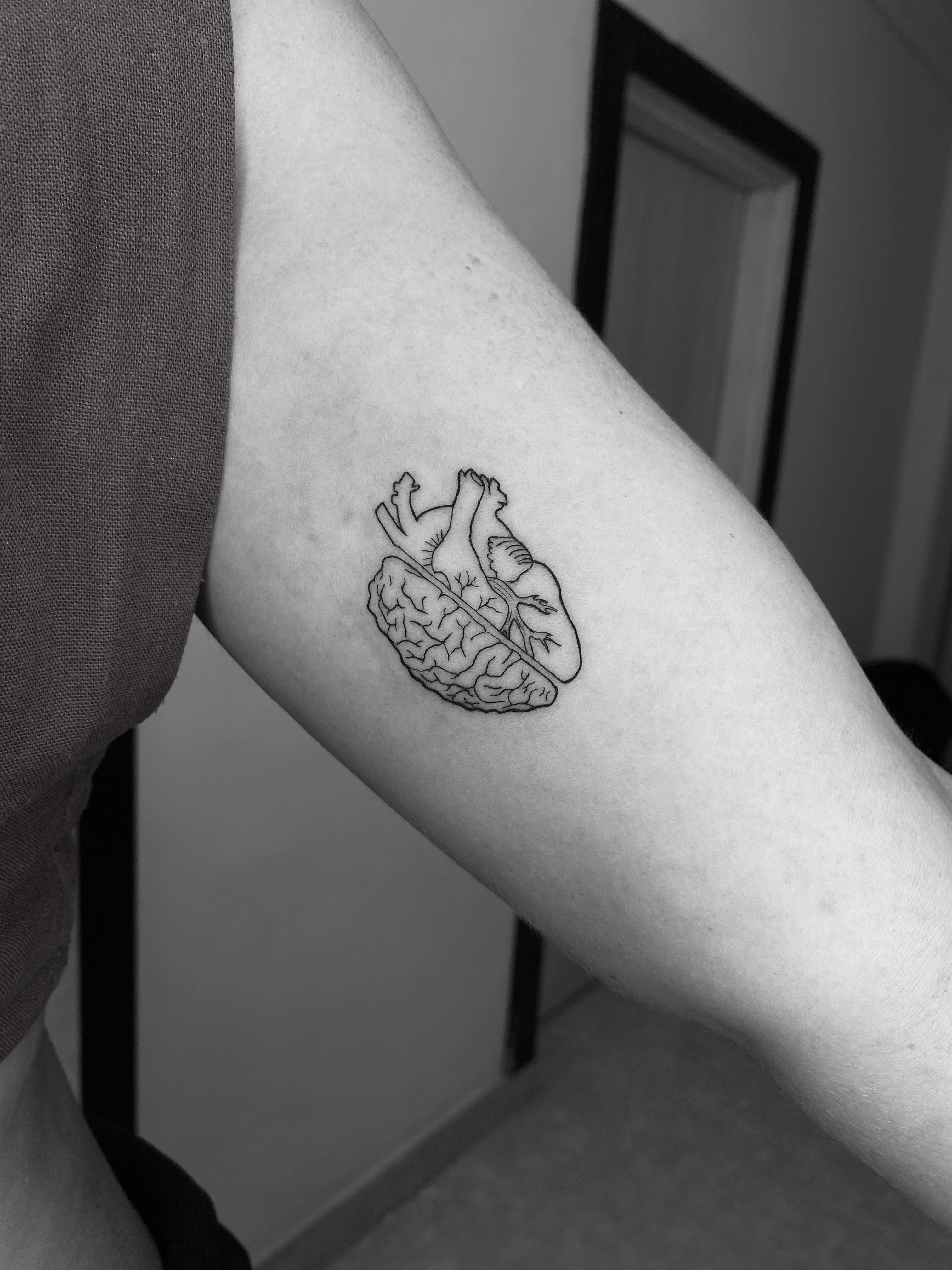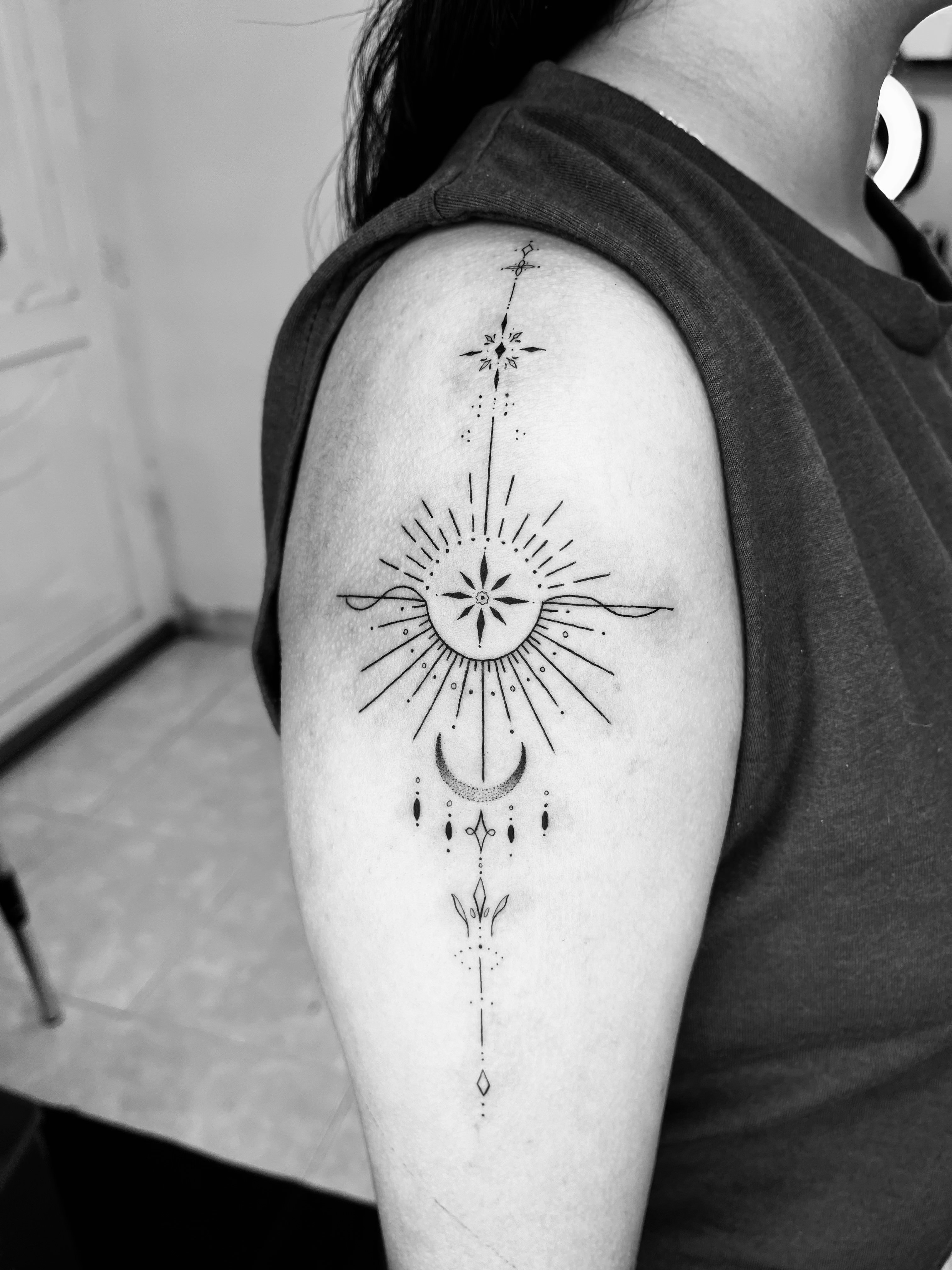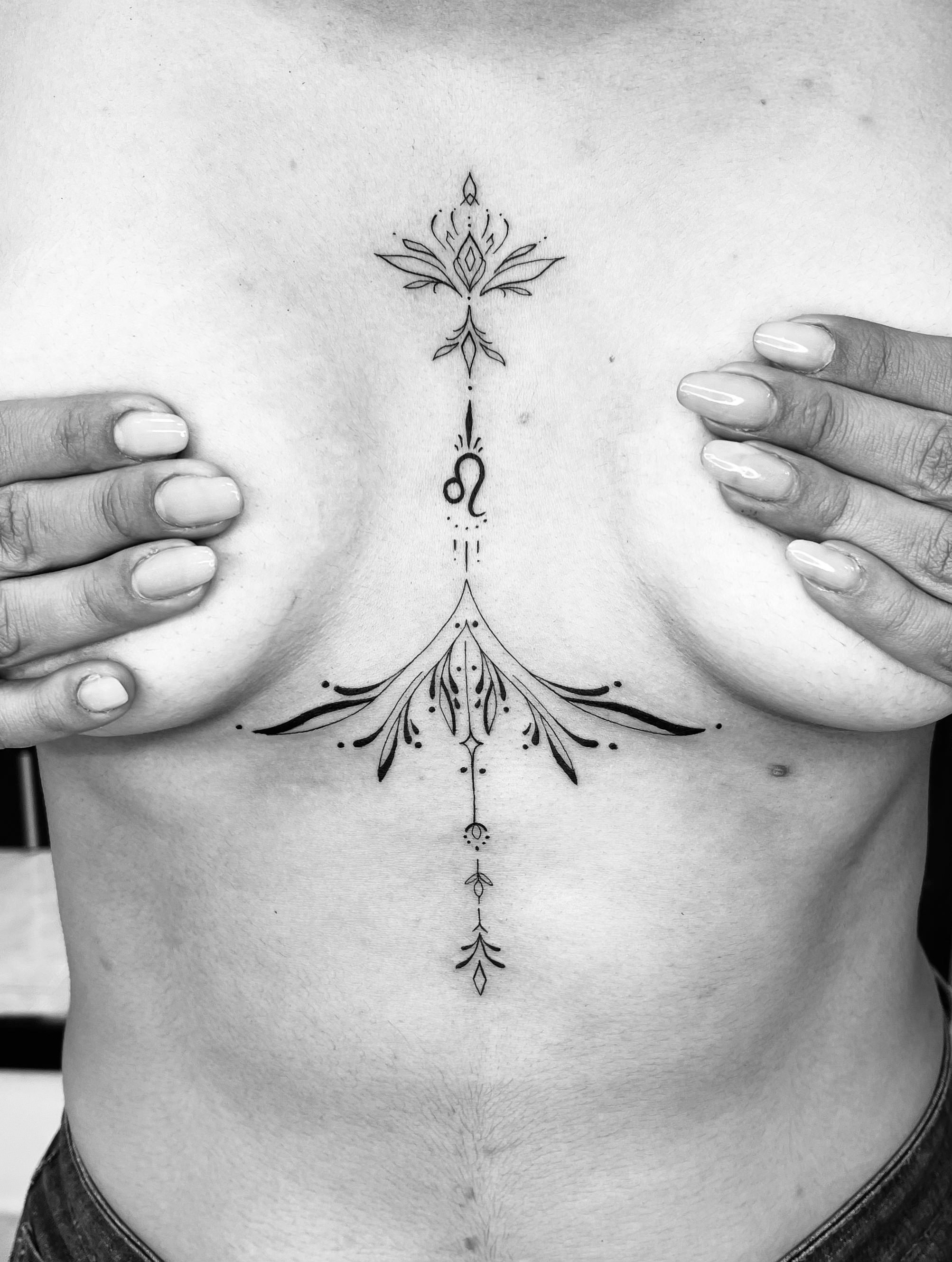
The profile of the tattoo enthusiast has permeated the highest echelons of the corporate world, finance, and law. What was once taboo is today deeply rooted in personal expression. The "executive tattoo" refers to the meticulous planning of artwork, frequently on a large scale, located within anatomical perimeters that guarantee absolute invisibility under tailoring and strict uniforms.
The executive's anatomical cartography
The visual safety of a tattoo relies entirely on daily wardrobe. There are three main anatomical maps for corporate life:
- The upper belt (Shoulders to chest): Large-format Japanese pieces (Irezumi) or geometric designs find a perfect home here. A tattoo that stops strictly at mid-bicep level will never peek out from under a short-sleeved shirt or rolled-up long sleeves. Likewise, keeping ink below the start of the collarbones ensures an open shirt collar won't reveal any lines.
- The lower belt (Full legs): A massive trend among businessmen is full leg sleeves. Tailored suits and formal trousers cover 100% of the surface from the ankle up.
- The posterior armor (Back): This is the largest, uninterrupted canvas. Suitable for large-format realism. As long as the individual doesn't need to change clothes in front of colleagues, this magnum opus will remain a rigorous secret.
The white shirt dilemma
A critical miscalculation when designing office tattoos is ignoring fabric translucency. Standard white shirts, without a protective jacket or vest, will reveal dark shadows from chest, arm, or upper back tattoos under harsh office lighting. For professionals who frequently wear white shirts, the technical recommendation is to avoid dense blocks of pure Blackwork. Instead, utilizing Fine Line, subtle whip shading, or dispersed Dotwork pieces will reflect less dense pigment through the white fabric.
Silent healing: The real challenge
The problem isn't just hiding the healed tattoo, but managing the initial biological phases in front of colleagues. During days 2 through 5, a tattoo expels plasma and residual ink, and between days 5 through 12, it enters the peeling and pruritic (itchy) stage. Using transparent medical polyurethane membranes (like Saniderm/Dermalize) during the first few days encapsulates the fluids and prevents staining designer shirts. Additionally, these membranes provide a friction barrier that allows wearing heavy suits without aggravating the skin.