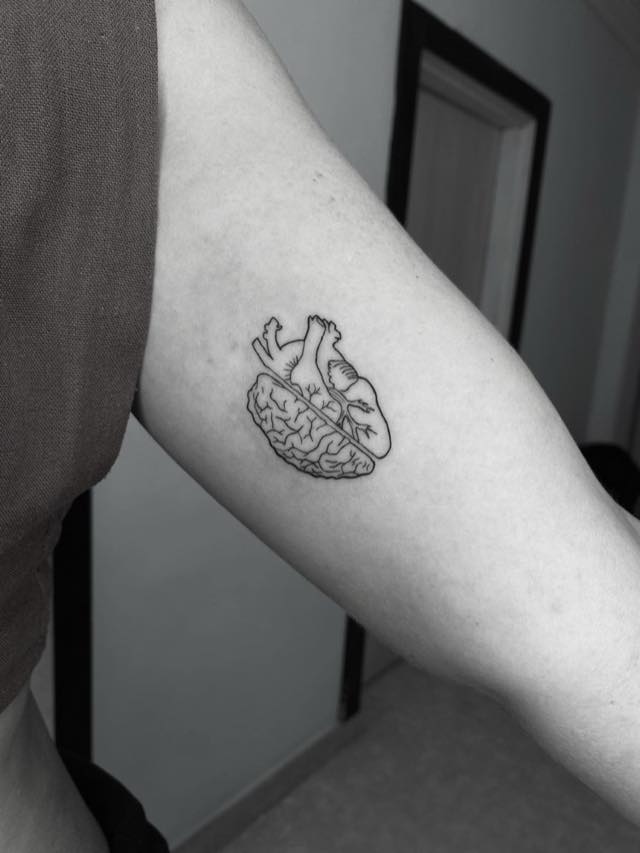
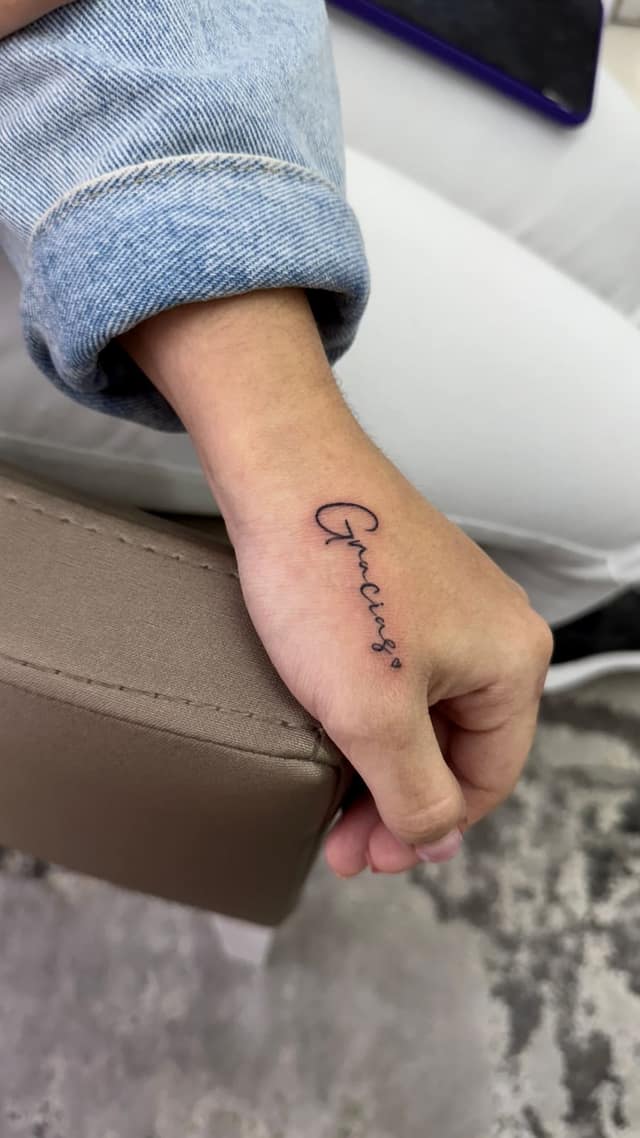
A fine line tattoo in Cali can stay crisp for many years if five factors line up: the artist's precision, your skin type, a placement with little friction and sun, quality materials with the right line weight, and proper aftercare while healing. Below we break down each factor and what to expect over time.
Fine line tattoos have become one of the most popular trends in Cali. They're elegant, minimalist, and perfect for those seeking a delicate design with deep meaning. However, being so subtle, a frequent concern arises: how well do they age?
The reality is that a fine line tattoo can look sharp and defined for many years if certain key factors are properly cared for. It's not just about the design, but about technique, skin, ink, and your habits after the session. Here we tell you what makes the difference when you get a fine line tattoo in Cali.
1. Artist Precision: Where Durability Begins
In fine line tattoos, steady hand and technique are everything. Unlike tattoos with thick lines or heavy fills, there's almost no margin for error: any vibration, excess pressure, or repeated strokes leaves a mark.
A good fine line artist must:
- Control needle depth: if it goes too deep, ink "spills" under the skin (blowout) and the line looks blurry; if too shallow, the line fades faster.
- Maintain constant speed while tattooing, so ink deposits evenly.
- Respect skin anatomy, especially in areas that stretch a lot (fingers, joints, neck), adapting the design to age better.
At professional studios like Legassy Studio, fine line isn't just about making thin strokes, but understanding how that stroke will behave on the skin over time.
2. Your Skin: The Canvas That Defines the Result
Not all skin ages tattoos the same way. For fine line, skin type is especially important:
- Very oily skin: can slightly blur lines over the years due to pore texture and constant shine.
- Very dry skin: tends to show more expression lines and texture, which can affect tattoo sharpness over time.
- Skin prone to heavy scarring (keloids, thick scars) requires even more judgment when deciding size and placement.
That's why, before tattooing, a good studio will always ask about your skin, scarring history, and possible allergies. It's not a formality: it's part of ensuring your fine line looks good today and years from now.
3. Where You Get It: Areas That Age Better
Tattoo placement directly influences line stability. In general, for a fine line to stay sharp longer, these areas help:
- Forearms and upper arm.
- Ribs in people with good skin elasticity.
- Upper back and shoulders.
- Thighs and hips (with little constant friction).
In contrast, areas like fingers, hands, ankles, knees, and waist are much more exposed to:
- Constant friction with clothing and objects.
- Intense skin movement.
- More contact with water, soap, and sun.
Fine line can be done in those areas, but it's key that the artist is honest with you: the tattoo is more likely to need touch-ups or the line to change sooner than in other body parts.
4. Ink, Needles, and Machines: What You Don't See Also Matters
A long-lasting fine line tattoo doesn't depend only on the visible stroke, but also on the quality of materials used to create it:
- High-quality inks, certified with good color stability.
- Fine line specific needles, which allow clean lines without damaging the skin.
- Well-calibrated machines, which respond precisely to the artist's hand pressure.
When materials are skimped on, the tattoo can look grayish, lose definition faster, or even cause skin reactions that deform the stroke. At a serious studio in Cali, these details are never improvised.