Finger tattoos are among the most searched online and also generate the most conversation in our studio. And the conversation always ends at the same point: honesty about how long they last. A finger tattoo fades, blurs, and needs touch-up much faster than any other tattoo in any other body area. That doesn't mean you shouldn't get one, but it does mean you need to know this before deciding.
At Legassy Studio we always prefer honesty over easy sales. If you're going to invest in a tattoo, you deserve to know exactly what you'll have and for how long.
Why don't finger and hand tattoos last as long?
The answer lies in the biology of skin in that area. Fingers and palms have unique characteristics that prevent ink from depositing and retaining the same way as in other body parts:
- High cellular regeneration: Finger skin regenerates faster than other areas because it's in constant contact with the environment. That accelerated cell renewal literally pushes ink toward the surface and expels it over time.
- Constant use: Hands are the most worked part of the body day to day. Constant friction with surfaces, water, detergents, and objects wears down ink much faster than in protected areas.
- Joints and creases: On knuckles and joints, skin constantly bends. That flexion breaks ink deposited in the dermal layer and accelerates its degradation.
- Little subcutaneous fat: Finger skin has very little fat layer underneath, causing ink to deposit more superficially and be more susceptible to loss.
How long does a finger tattoo really last?
With proper care and depending on the design and exact location on the finger, you can expect:
- Very delicate fine-line designs: Between 6 months and 2 years before needing significant touch-up.
- Designs with more ink mass (fill): Between 1 and 3 years before contrast is noticeably lost.
- Tattoos on the inner side of the finger: Least durable. Can start showing deterioration in months.
- Tattoos on the top of the finger (near cuticle): Slightly more durable than inner ones, but equally susceptible to wear.
These times are guidelines. Some people with very good aftercare keep finger tattoos in good condition longer, and others due to their work or lifestyle see them deteriorate earlier.
Which designs work best on fingers?
Not all designs work the same in this area. Those that give the best results are:
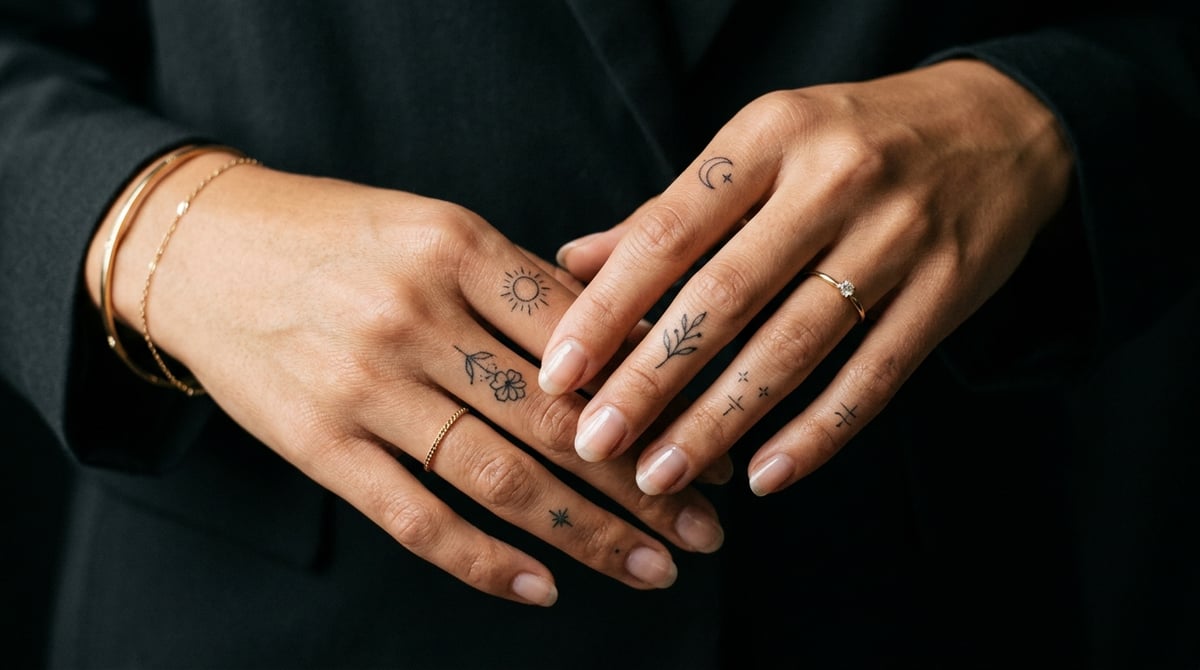
- Simple designs with few lines and not much detail.
- Symbols or short words with firm stroke (not ultra-fine line).
- Solid black designs that don't depend on gradients or details to communicate their essence.
Designs that work worst on fingers are portraits, highly complex designs, those depending on ultra-fine lines, and any design with very small spaces between elements (which will merge over time).
More durable alternatives to achieve the effect you're looking for
If what attracts you to a finger tattoo is visibility, discretion, or placement, there are alternative areas offering a similar result with much greater longevity:
- Inner wrist: Very visible, easily maintained, and with much longer useful life than a finger.
- Space between thumb and index finger: Lasts longer than the finger itself, though also has its limitations.
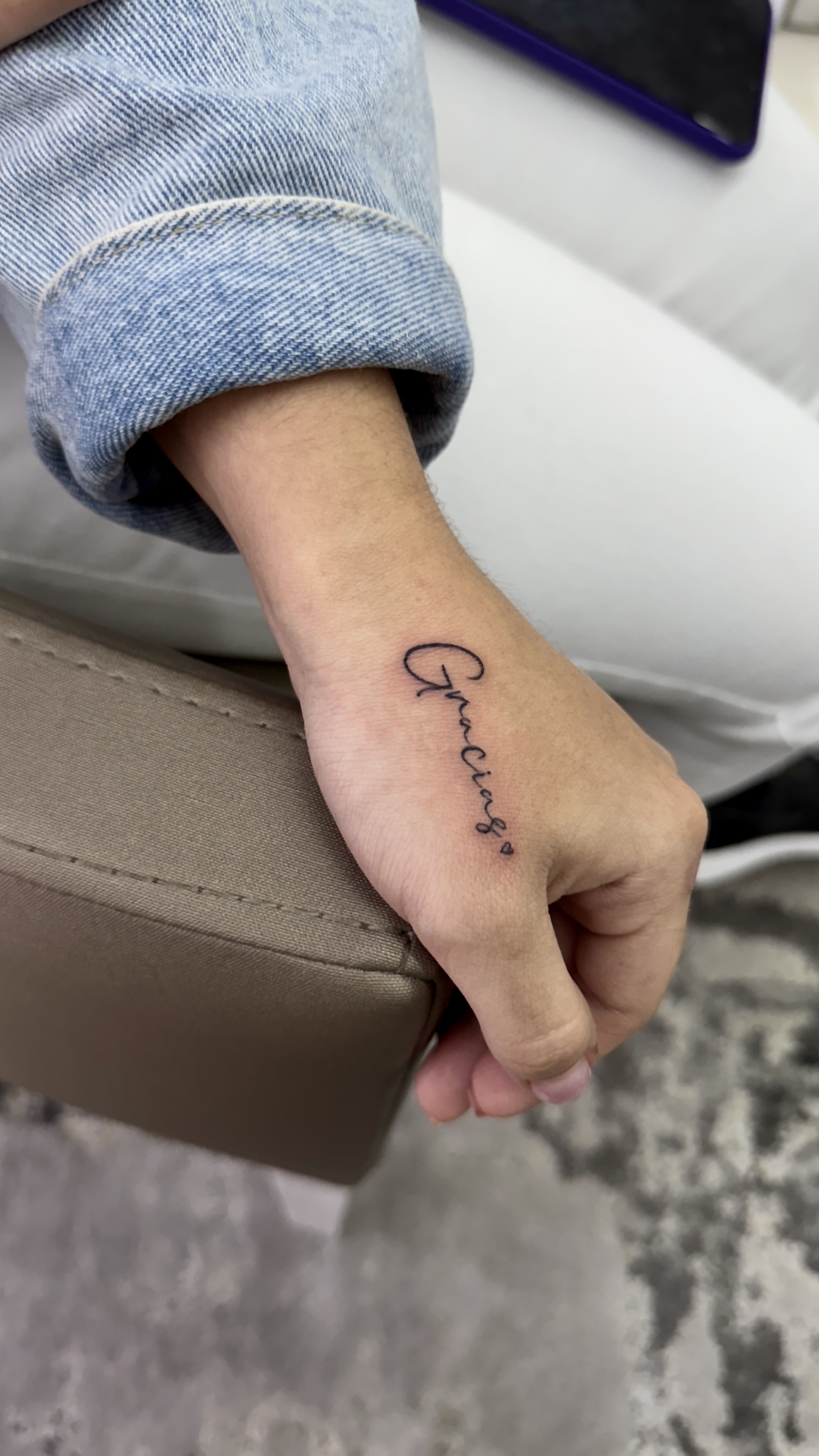
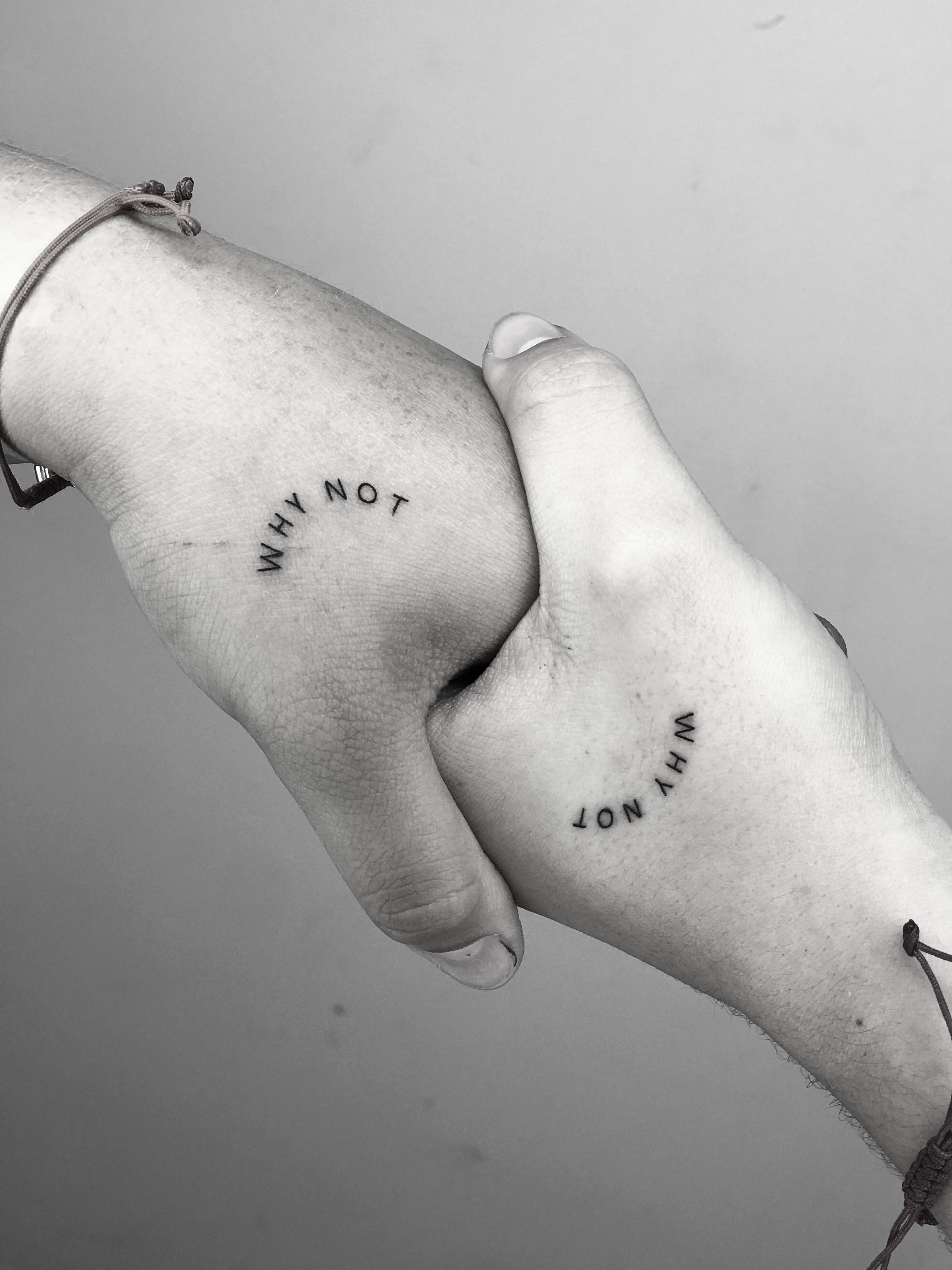
- Outer side of the hand: More resistant than palm or fingers, though also requires more frequent touch-ups than the arm.
- Ankle and foot (dorsum): If you're looking for something visible in the lower body with an feel similar to what you wanted on the finger, the foot dorsum offers more durability.
Is it worth getting a finger tattoo?
Our honest answer is: yes, if you do it with the right expectations. Finger tattoos are maintenance pieces, not lifetime-without-intervention tattoos. You'll need to touch them up periodically, and that has a cost. If you're okay with that reality and the design is simple and appropriate for the area, it's perfectly valid to get one.
At Legassy Studio we advise you on the design that will work best for the area you choose, and tell you honestly if your idea has real chances of looking good for a reasonable time or whether it would be better adapted to an area that does it more justice. That's the conversation we want to have with you before we start.
How to care for a finger or hand tattoo to maximize durability
If you decide to get a tattoo in this area, aftercare is especially important and different from any other body area. The main difference is in washing frequency and water contact. Hands are washed many more times per day than any other body area, and each washing is an episode of hydration and dehydration that affects healing.
During the first days after the tattoo, wash the area carefully but also apply fragrance-free moisturizer several times a day to counteract dryness. Avoid submerging hands in water for extended periods (washing dishes, swimming, prolonged baths) during the first 2–3 weeks. Use nitrile gloves when working with cleaning products or chemicals.
After complete healing, applying SPF to the back of the hand every time you go outside is what will most contribute to the tattoo maintaining its definition for longer. It's a small habit that makes a real difference in tattoos on exposed areas. Our team will give you all these detailed instructions on your session day, adapted to your specific skin type. The better you care for it in the early weeks, the longer the design will hold its shape before needing a refresh.