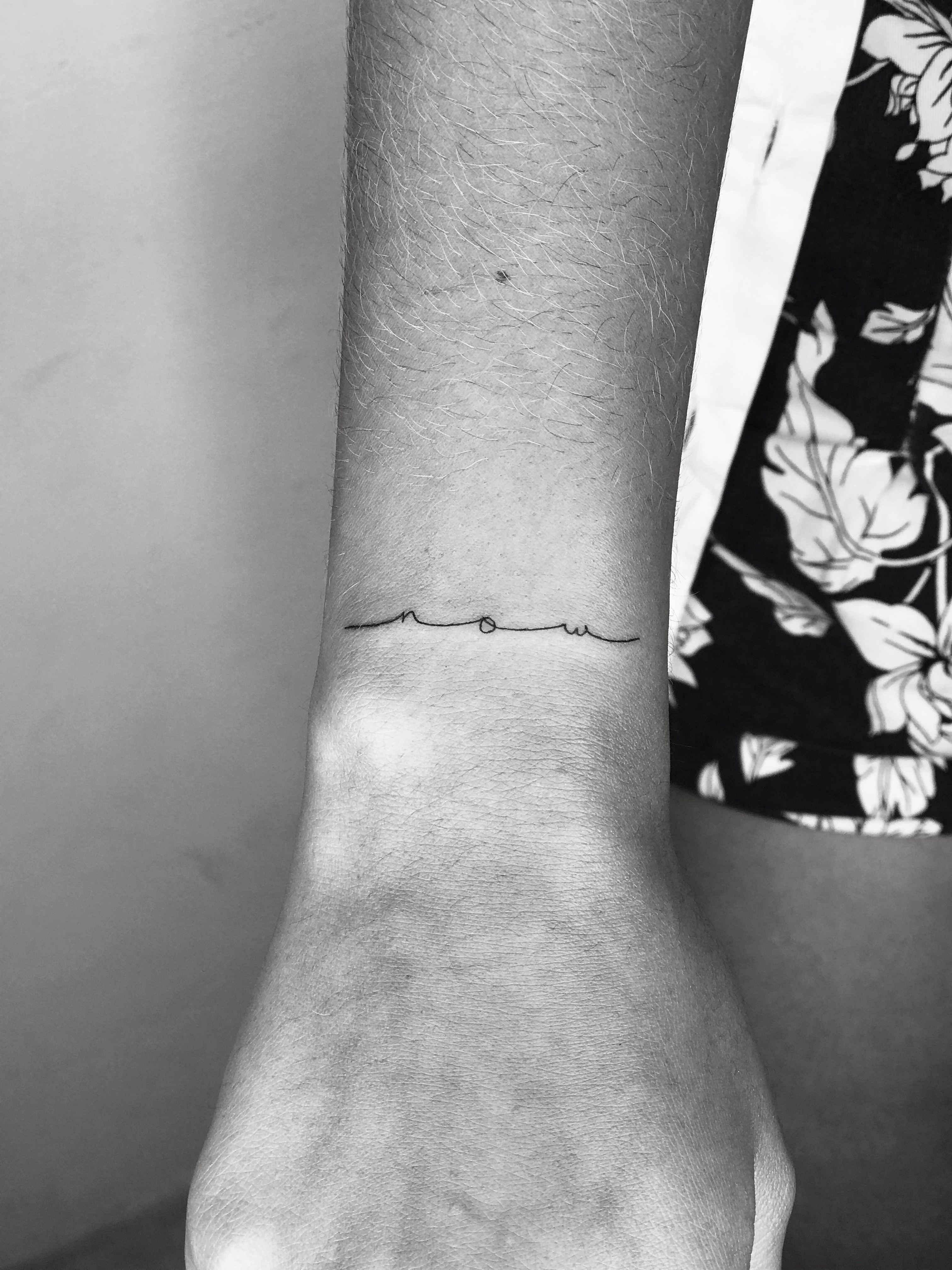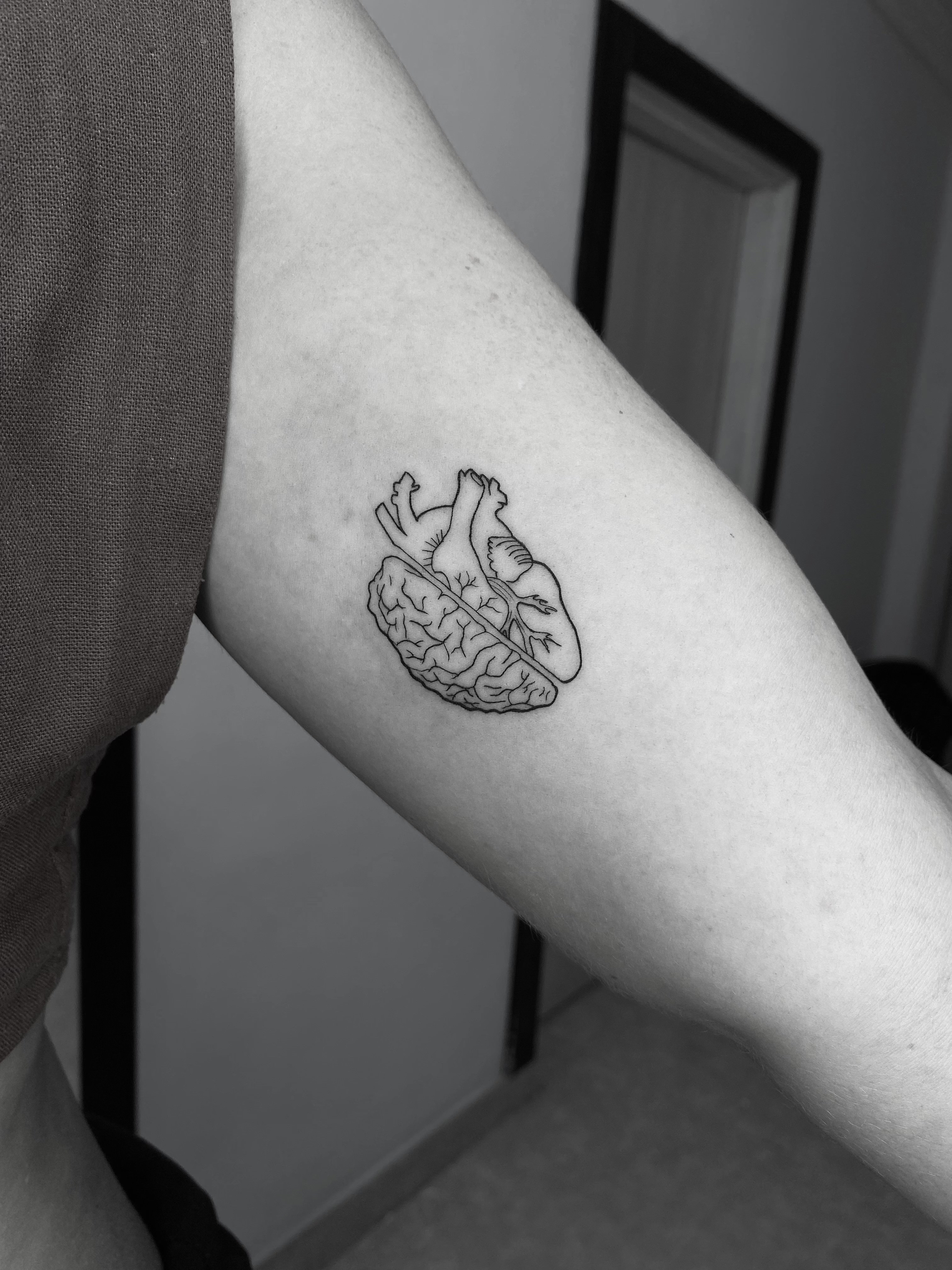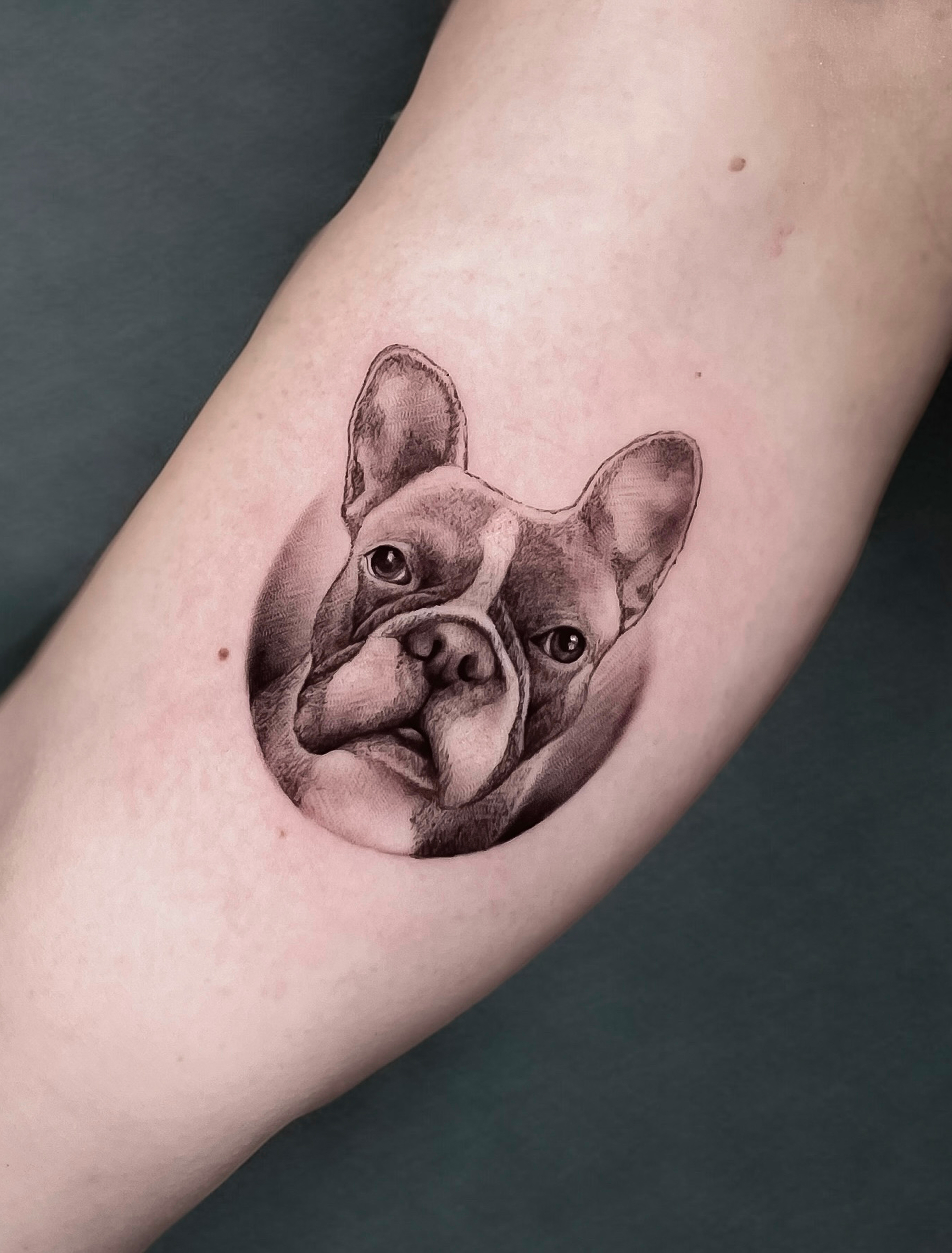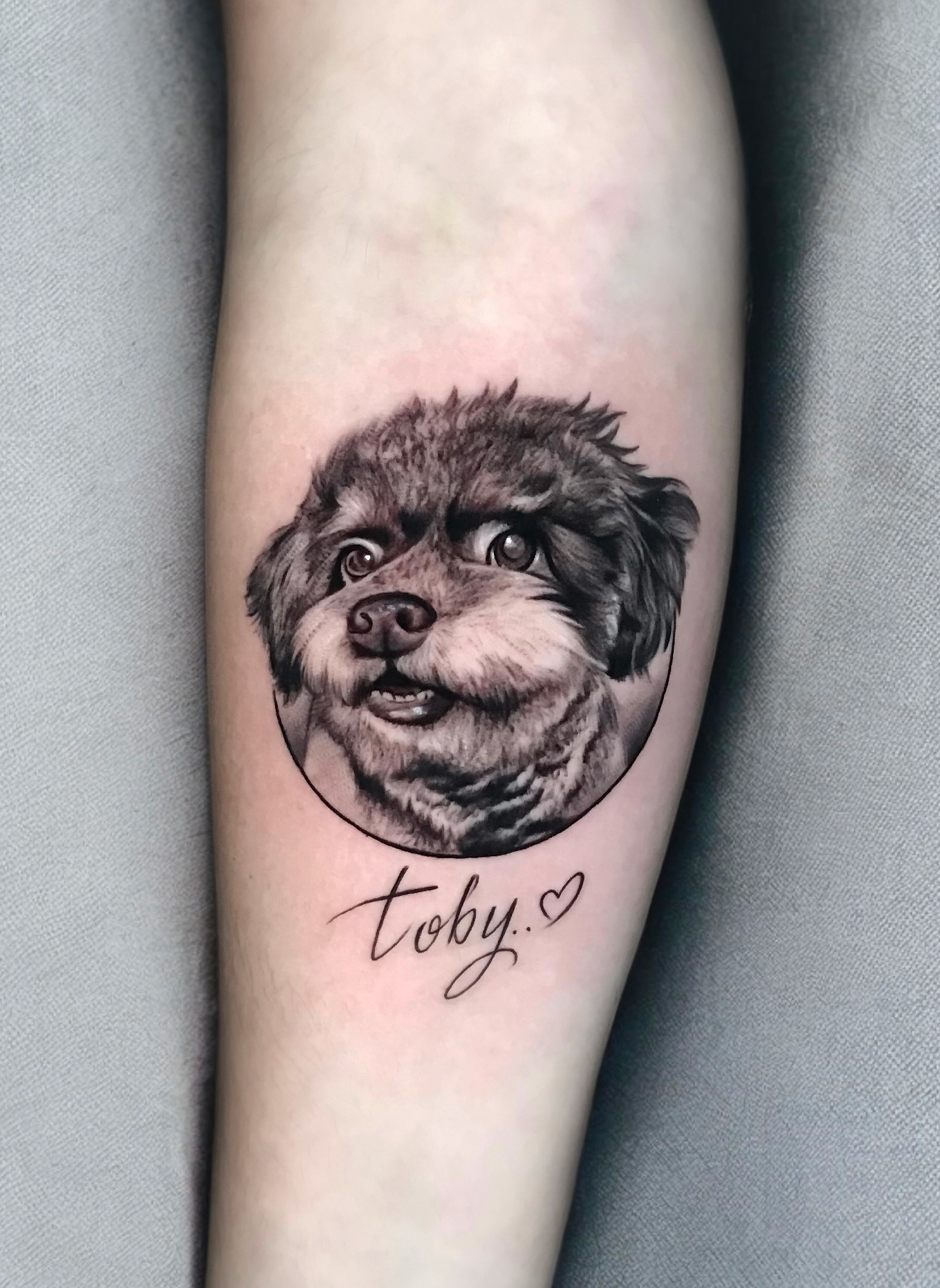
Although the global perception of tattoos has evolved drastically, many corporate, government, and healthcare sectors still maintain strict dress codes. Deciding to get a tattoo doesn't have to be limited by your career. The secret lies in the strategic planning of anatomical placement.
Strategic high-concealment zones
Anatomical placement dictates not only daily visibility but also how easily a tattoo can be hidden in sudden formal situations. The best areas are divided into two groups: total coverage zones and modular zones.
1. The upper torso and ribs
The intercostal area, sternum, and upper chest (below the collarbone line) are the safest locations. Regardless of whether you wear a stiff-collared shirt, blouse, or medical scrubs, these areas remain completely hidden. Additionally, the intercostal zone offers a broad canvas for detailed fine line or micro-realism pieces.
2. Thighs and lower hips
Any tattoo located from the inguinal fold down to three fingers above the knee will be invisible in professional environments. This area allows for large botanical or traditional blackwork pieces without compromising corporate image. Healing on the thighs is generally docile due to the thickness of the adipose tissue and the ease of wearing loose cotton clothing during the first few weeks.
3. The back and shoulder blades
For substantial pieces, the upper back (below the shirt collar line) is a favorite area. It requires special care during the first week, especially avoiding synthetic fabrics that generate continuous friction in the office, but it offers 100% guaranteed concealment.
Modular areas (wardrobe dependent)
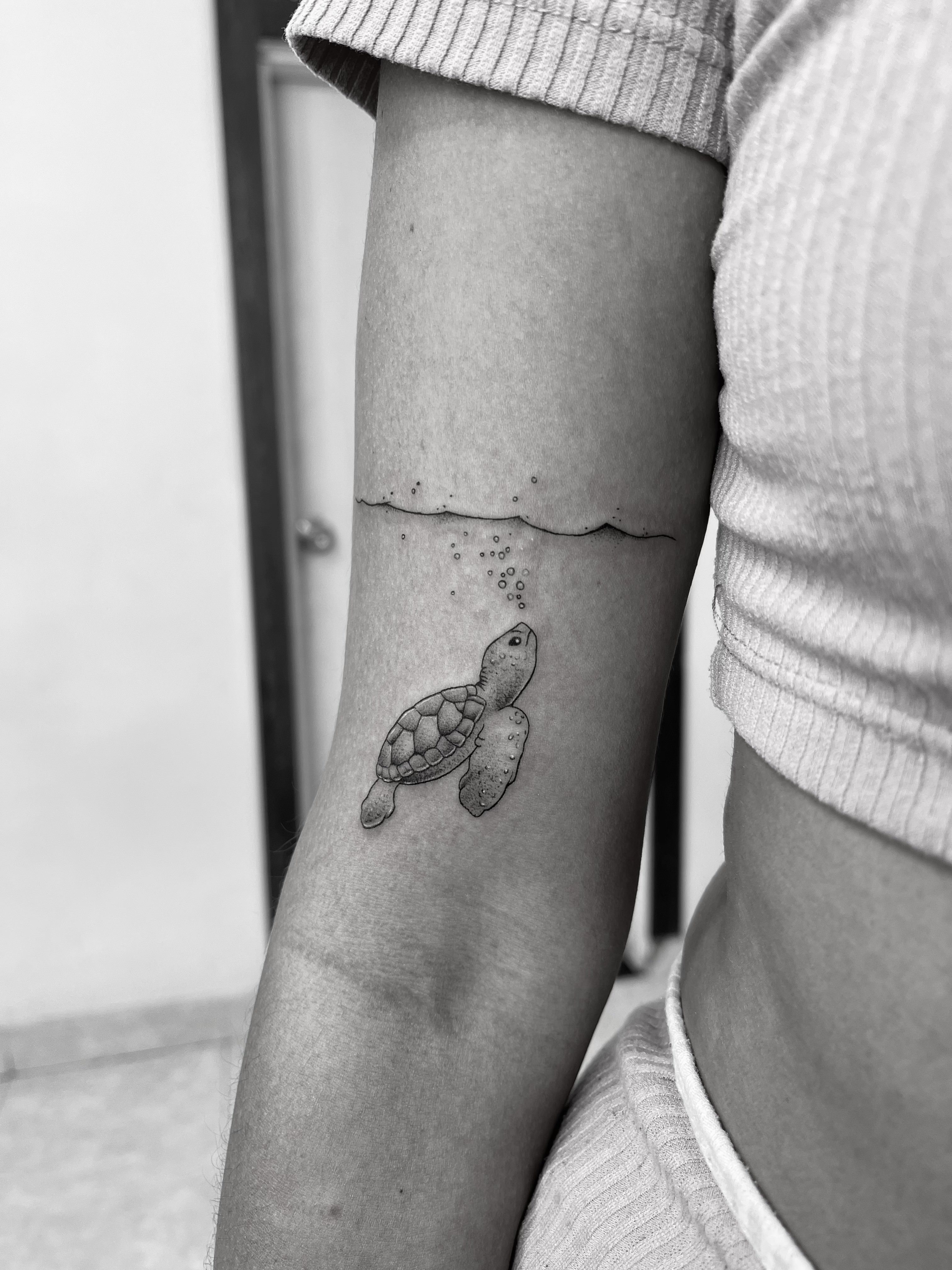
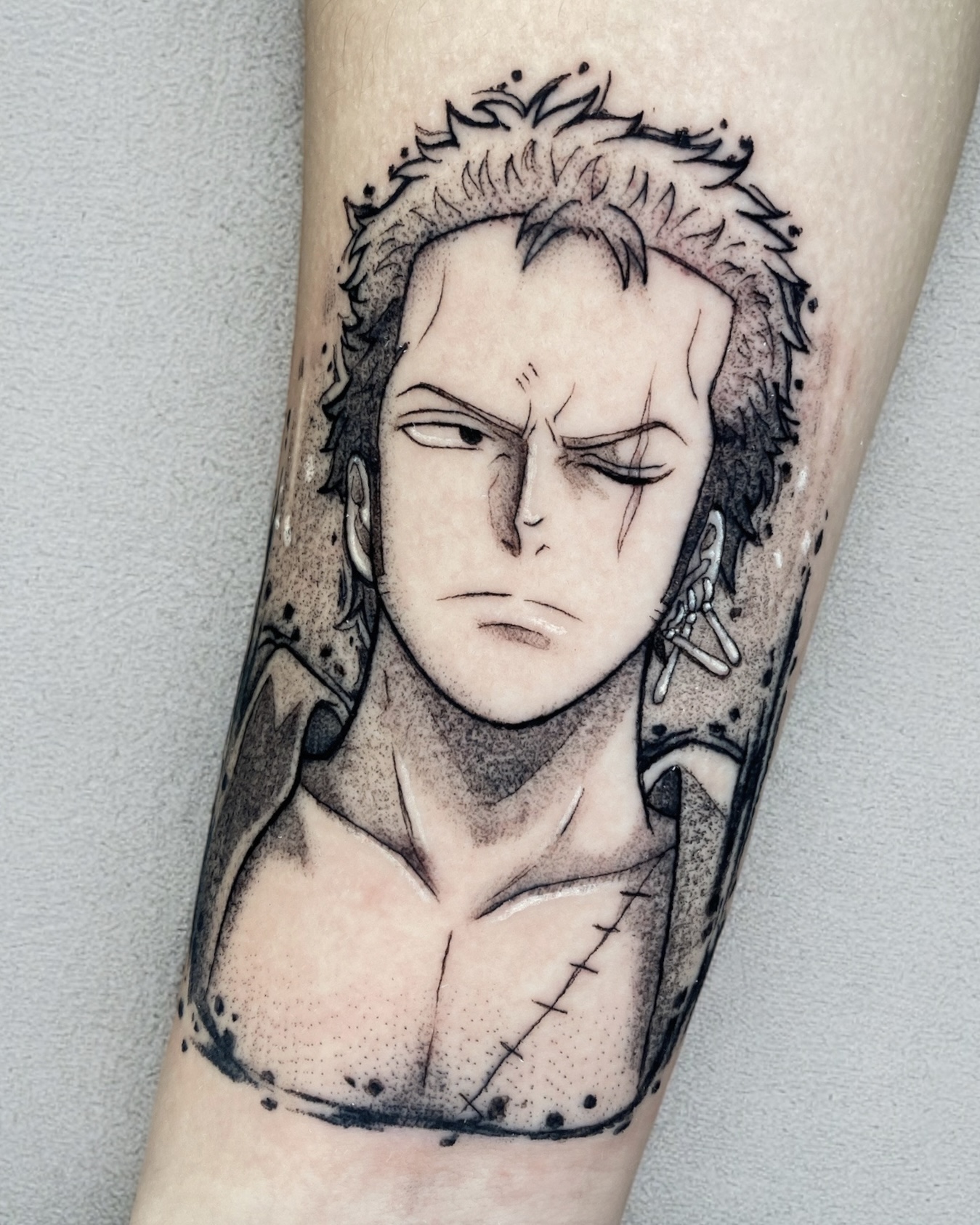
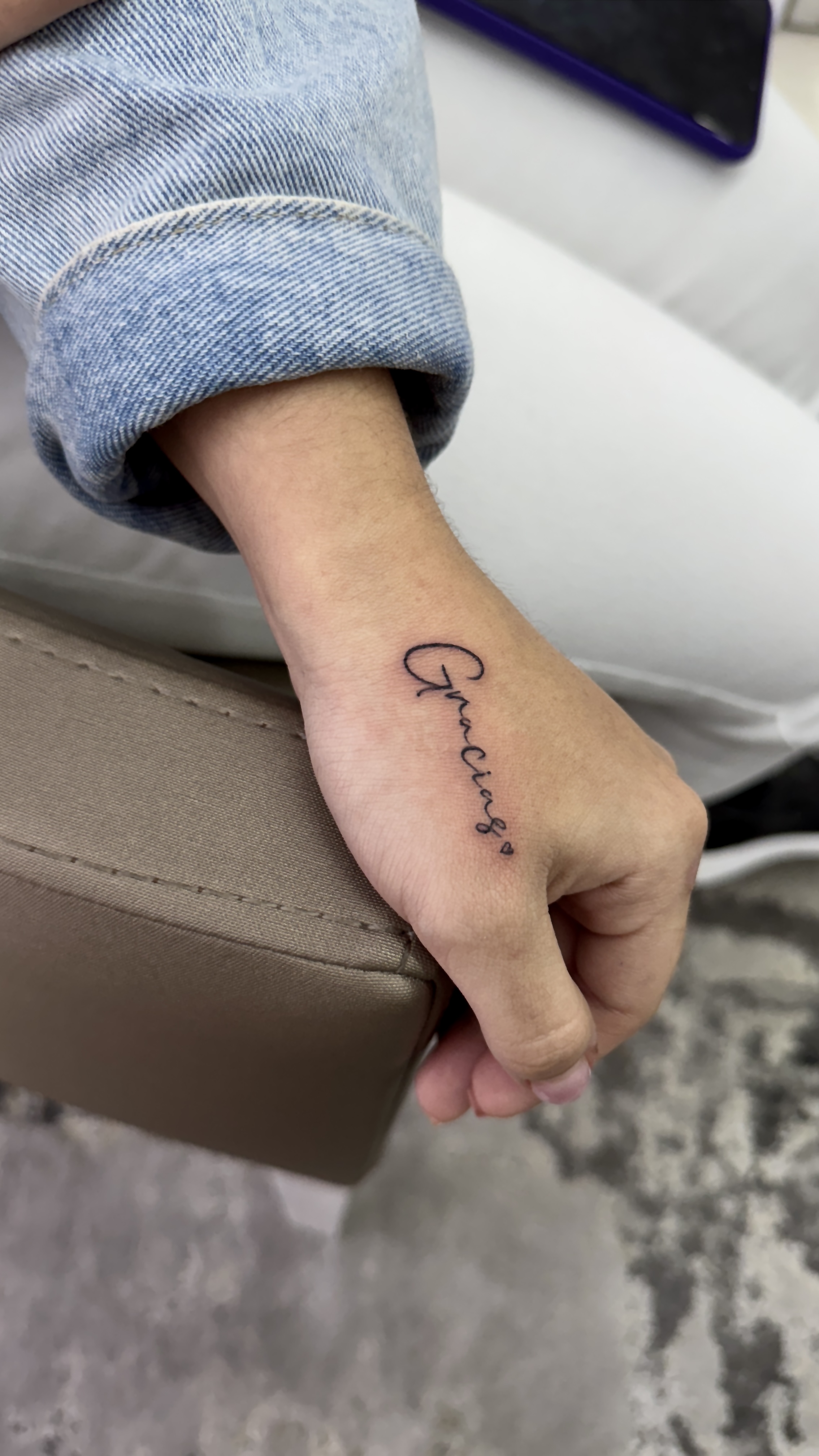
If the dress code allows for some flexibility, the arms can be viable options. The **upper inner bicep** and **tricep** can be easily covered with 3/4 or full sleeves. However, tattoos on the lower forearm or near the wrist will strictly demand long sleeves year-round, which can be a challenge in hot or humid climates.
Healing considerations in office environments
A rarely discussed factor is the healing process under formal wear. During the first two weeks, the tattoo must not be subjected to excessive friction. If you get your shoulder blade tattooed, wearing tight suits, corsets, or rigid underwire bras can interfere with ink saturation and cause prolonged irritation. The recommendation is to schedule the appointment on a Friday, use medically approved breathable dermal patches (always under professional recommendation), and opt for seamless undergarments during working hours.