A tattoo takes 2 to 4 weeks to heal on the surface, and the skin finishes regenerating underneath in one to three months. Small designs heal faster than large or heavily saturated pieces, and areas with good circulation and little friction heal faster than hands, feet or joints. Your daily care makes the difference.
A fresh tattoo is a mix of excitement and nerves: on one hand you want to show it off, but on the other you wonder how long it will take to look fully healed. Your skin feels sensitive, every bit of friction is noticeable, and it is normal to be afraid of ruining the final result.
What many people do not realize is that healing time is not the same for every tattoo. The size of the design and the area of the body where you get it done make a huge difference, as do your daily care habits. Understanding these factors helps you set realistic expectations and support your skin while it recovers.
Basic tattoo healing phases
Before talking about size and placement, it is helpful to understand that every tattoo goes through several healing phases. In the first few days, the skin will be red, a bit swollen and warm to the touch. Some ink and plasma may come out, and the sensation is similar to a mild sunburn.
Between the first and second week, the surface starts to dry out, thin scabs appear and the skin can look a little dull. This is when it tends to itch the most, and also when many people worry because they think the tattoo looks bad or is "fading". In reality, the old skin is peeling off to make way for a fresh new layer.
From the third or fourth week on, most tattoos look much better on the surface: no scabs, no peeling skin and more stable color. That does not mean everything is finished. Deeper healing can continue for several more weeks, especially in large pieces or areas that move and rub a lot.
How tattoo size affects healing time
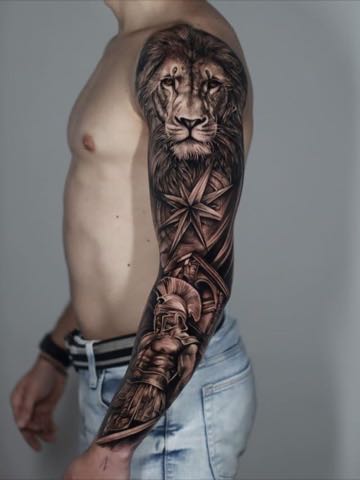
The size of the tattoo is one of the clearest factors when we talk about healing time. The more skin that is tattooed, the more tissue has to regenerate at the same time. A small symbol on the wrist will not recover the same way as a full sleeve or a piece that covers your entire thigh.
With small, simple tattoos, initial swelling tends to go down quickly and the scabbing phase is usually shorter. Because the area is small, it is easier to keep it clean, moisturized and protected from friction, so it often looks pretty good after about three to four weeks, even though the skin is still adjusting underneath.
With medium or large designs, especially those with heavy shading or solid fills, the needle passes over the same spots many times and causes more microdamage. The skin may take longer to stop looking red or shiny, and that tight feeling can last for a while. As a general reference, a large tattoo may need six to eight weeks to look fully settled, and several months for the skin to completely recover its natural texture.
| Size | Surface closed | Fully settled |
|---|---|---|
| Small and simple | 2–3 weeks | About 1 month |
| Medium | 3–4 weeks | 1–2 months |
| Large or heavily saturated | 4–8 weeks | 2–3 months or more |
Body placement and its impact on healing
Not all body areas heal at the same pace. Blood flow, skin thickness, how much the area moves and how much it rubs against clothing all mean that two tattoos of the same size can heal in very different time frames.
Areas like the forearm, upper arm or upper back usually respond very well: blood flow is good, movement is not extreme and it is easy to protect the area with comfortable clothing. That is why a medium-sized arm tattoo can often look quite stable after a month, as long as you care for it properly.
On the other hand, areas like hands, fingers, feet, ankles, ribs, elbows or knees are trickier. The skin bends constantly there, shoes or waistbands press on the area and ongoing friction can open microcracks in the scabs or irritate the skin. That does not mean your tattoo will end up looking bad, only that it will probably take longer to look perfect and will demand a bit more patience.
- Areas that tend to heal faster: forearms, upper arms, shoulders, upper back.
- Medium healing areas: chest, thighs, calves, side of the torso.
- Areas that often heal more slowly: hands, fingers, feet, ankles, ribs, elbows, knees and skin folds.