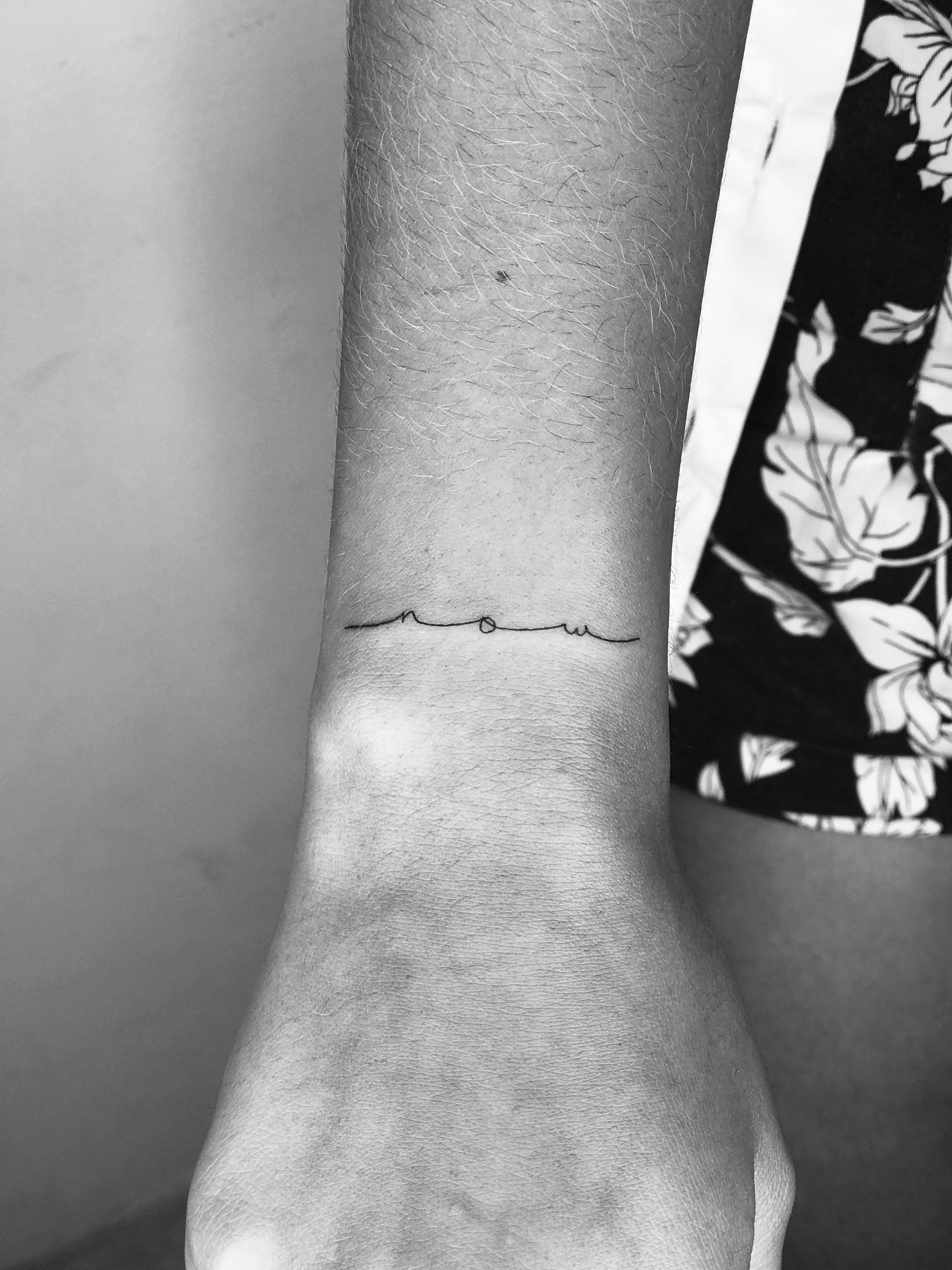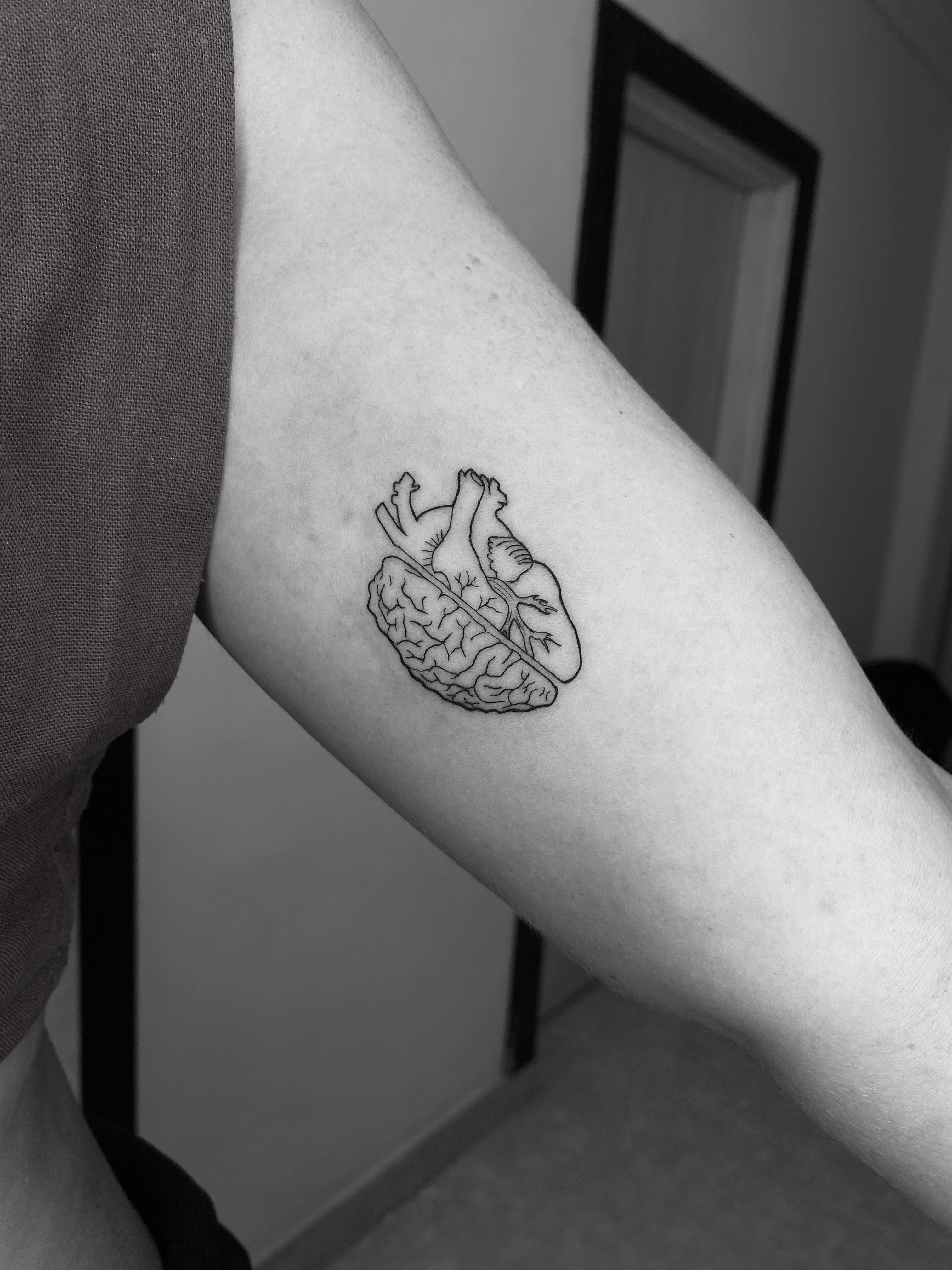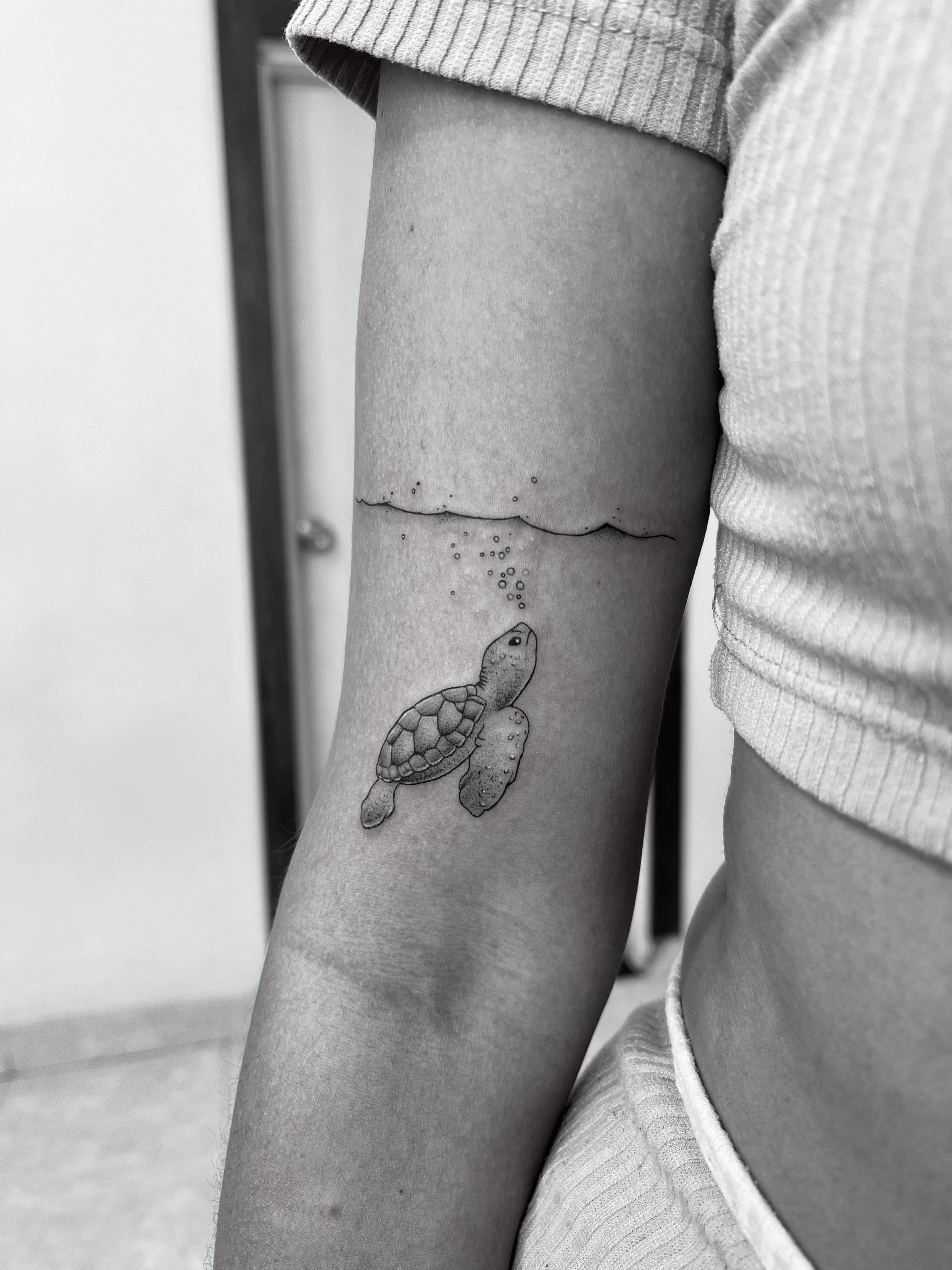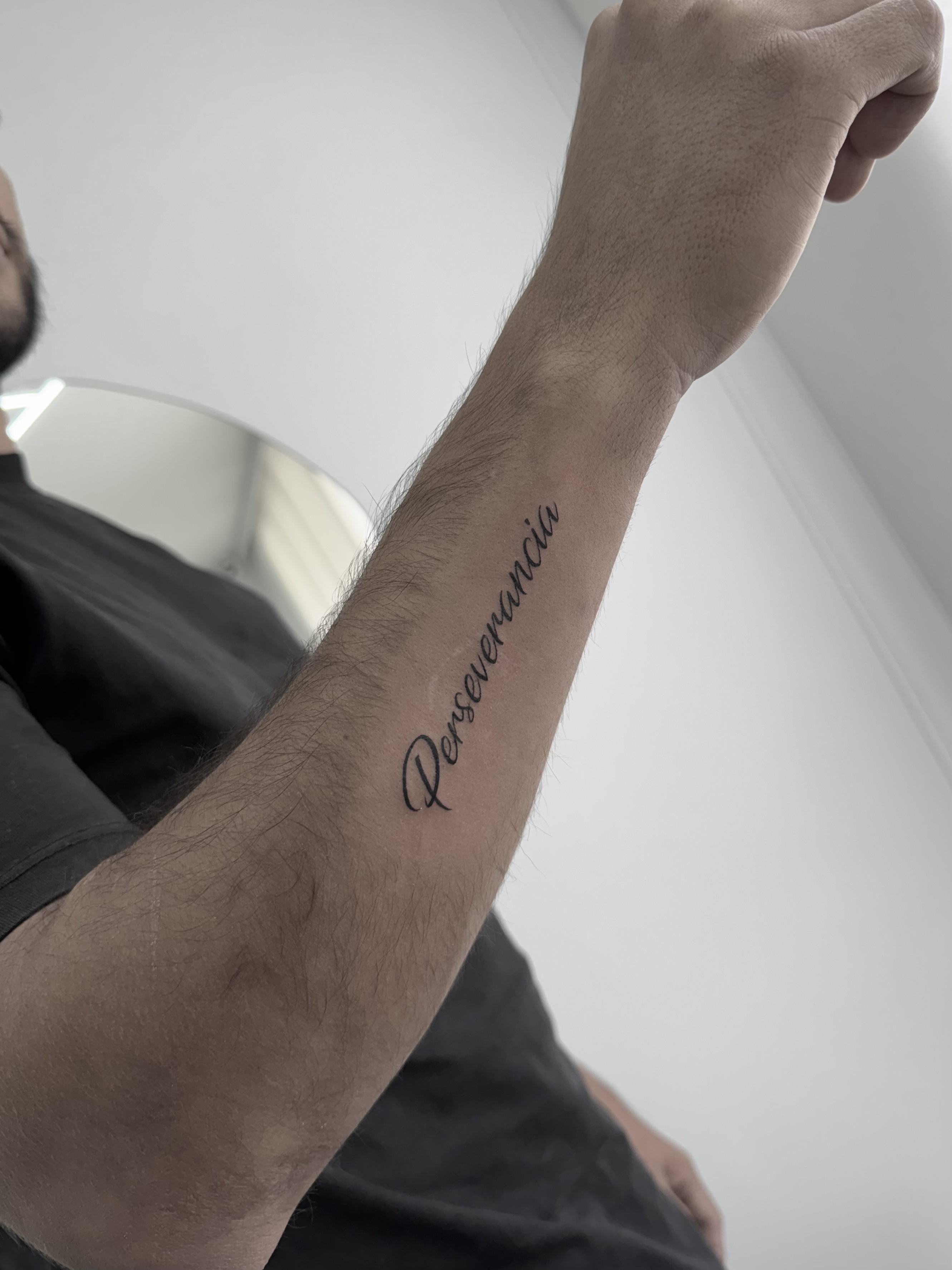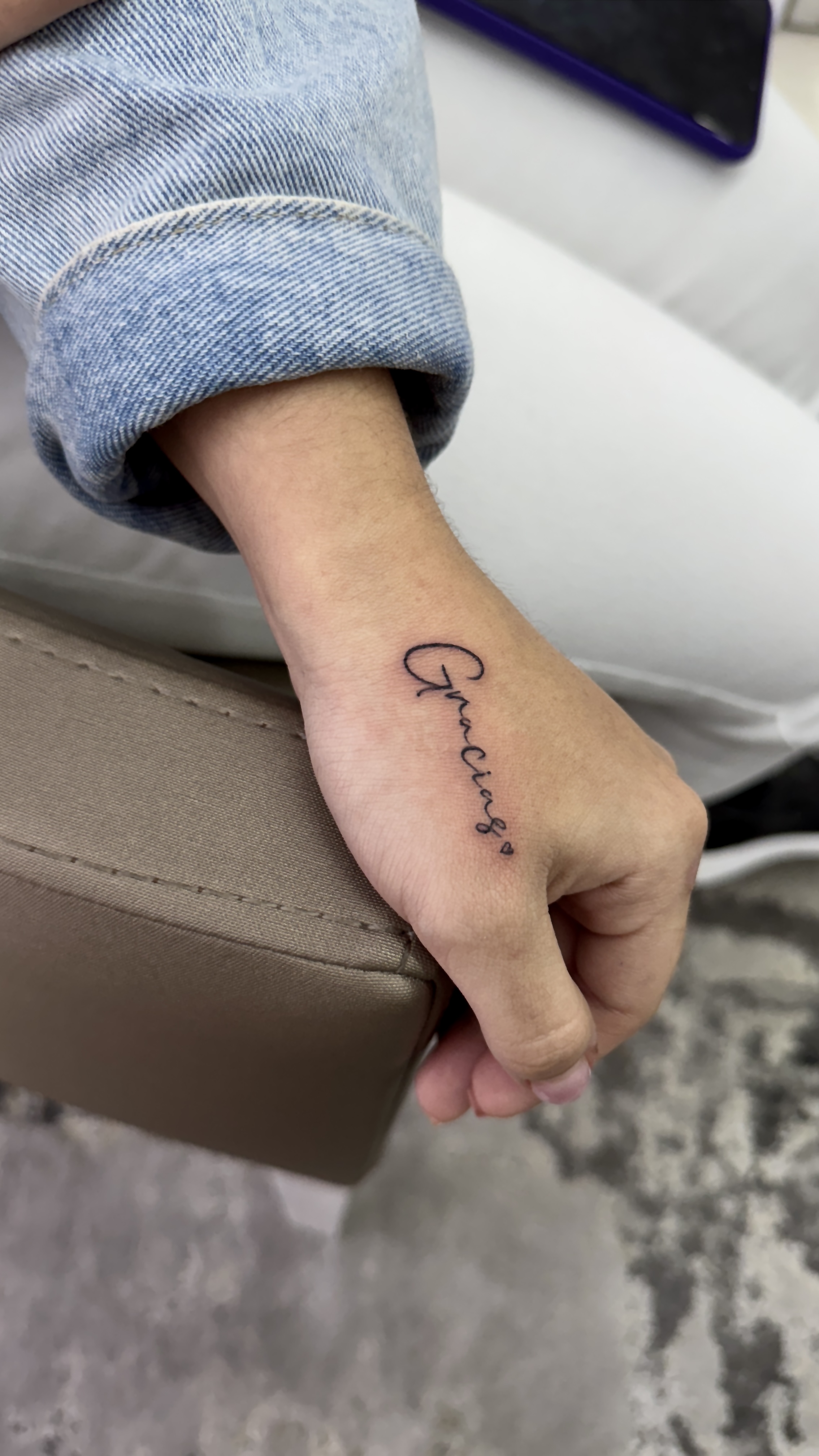
Sophistication in contemporary tattooing is often defined by the selectivity of its exposure. A design does not need to saturate primary visual fields to carry aesthetic weight. "Invisible at first glance" tattoos capitalize on secondary anatomical curves, creating an aura of exclusivity and mystery where the wearer has 100% control over who and under what context they reveal the artwork.
The anatomy of subtlety: Natural blind spots
The human body has areas that inherently escape the direct line of sight during typical social interaction. These areas are temples for elegant tattooing:
- The nape and lower occipital: Popularized in the high-fashion circuit, a fine-line tattoo on the nape of the neck is shielded behind loose hair. Even when tied up, it requires an observer to stand directly behind to see the details.
- The lower axillary hollow and inner bicep: The inner face of the upper arm is rarely exposed unless the arm is intentionally raised. It is a canvas of extremely soft and pale skin, ideal for preserving subtle contrasts in black ink.
- The intercostal channel or submammary zone: A private zone par excellence. Tattooing the lower curvature of the sternum or the sides of the torso wraps around the ribcage, offering an opportunity for extensive designs that are invisible under traditional underwear or one-piece swimsuits.
The prevailing style: Micro-strokes and diluted tones
To maximize the elegance of a hidden tattoo, the predominant style dictates avoiding massive high contrast. "Grey Wash" pigments applied using the "whip shading" technique allow for very soft edges and blurred transitions.
Artists specializing in Fine Line typically use 1RL to 3RL (Round Liner) needle cartridges, which are surgically fine tools. This prevents massive carbon deposits under the epidermis, resulting in lines that, after healing for several months, resemble the light stroke of an HB graphite pencil on paper rather than the aggressive stroke of a marker.
Long-term maintenance
A hidden advantage of discreet zones is that they rarely suffer exposure to UVA/UVB rays from the sun, the worst enemy of tattoo pigment. A tattoo on the sternum or hip will maintain its crispness and pure black tone for decades with a fraction of the sunscreen maintenance effort required by a forearm tattoo. However, due to the technical thinness, these pieces may require a subtle touch-up after a few years if the body phagocytizes a large part of the diluted ink.