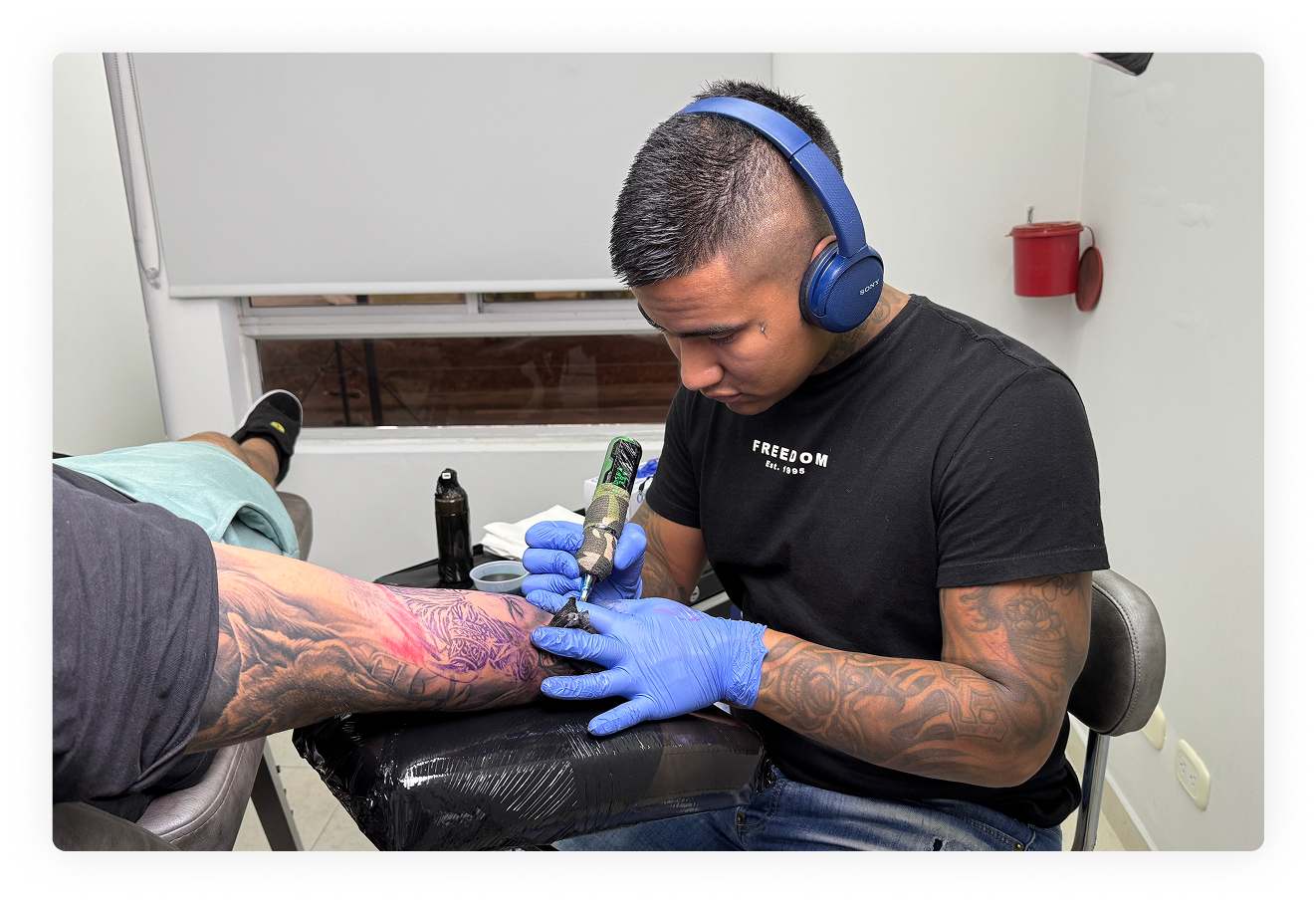
If you're considering getting a tattoo, you probably wonder which body zones hurt most during the process. This is a valid concern, especially if it's your first tattoo or if you're planning a design in a specific area. Understanding which zones are more sensitive can help you prepare mentally and make informed decisions about where to place your tattoo. This ranking is based on real experiences from people who have been tattooed and knowledge from professional artists.
It's important to remember that pain is subjective and each person experiences pain differently. What may be extremely painful for one person may be only moderately uncomfortable for another. However, there are certain anatomical characteristics that make some zones consistently more sensitive than others. In this article we'll explore these zones and why they tend to be more painful, giving you a realistic guide based on real experiences.
Factors determining sensitivity
Before getting into the specific ranking, it's important to understand what factors make a zone more or less painful. The number of nerve endings, skin thickness, and proximity to bones are the main factors determining sensitivity. Areas with many nerve endings transmit more pain signals to the brain, while areas with thinner skin offer less protection against the needle.
Zones near bones also tend to be more painful because there's less soft tissue to cushion the sensation. On the other hand, areas with more muscle or fat are generally less sensitive because there's more tissue between the needle and sensitive structures. Skin flexibility can also influence: areas with tighter skin or that stretch frequently may be more sensitive.
Other factors that may influence include amount of movement in the area, presence of previous scars, and your personal pain tolerance. It's also important to consider that pain can vary within the same zone: for example, a tattoo on the arm may hurt more near the elbow than in the center of the muscle. Understanding these factors can help you better anticipate what to expect in different locations.
The most painful zones
Based on real experiences and anatomical knowledge, there are certain zones that are consistently reported as most painful to tattoo. Ribs, feet, hands, and fingers generally top the list of most sensitive zones. These areas have anatomical characteristics that make them particularly sensitive: thin skin, many nerve endings, and proximity to bones.
Ribs are especially challenging because skin is thin and sits directly on bone, without much fat or muscle to cushion the sensation. Additionally, each breath moves the area, which can make the sensation more intense. Feet are also extremely sensitive due to thick but nerve-rich skin, and the fact that feet are full of small bones close to the surface.
Hands and fingers are notoriously painful because they have an extremely high concentration of nerve endings. Each finger has multiple nerves that transmit pain signals, and skin is relatively thin. Additionally, fingers have small bones very close to the surface, which increases sensation. These zones can be so sensitive that some people find pain is almost unbearable, especially during long sessions.
- Ribs: Thin skin over bone, constant movement when breathing
- Feet: Many nerve endings, multiple small bones
- Hands and fingers: Extremely high concentration of nerves
- Ankles: Thin skin, bone close to surface
- Knees: Tight skin, prominent bone
- Elbows: Thin skin, sensitive joint
- Armpits: Extremely sensitive, many nerve endings
- Groin: Thin skin, very sensitive area
Moderate to intense pain zones
After the most extremely painful zones, there's a group of areas generally considered moderately to intensely painful. These include areas like spine, knees, elbows, ankles, and areas near joints. These zones share some characteristics with the most painful ones but may be a bit more manageable.
The spine can be especially challenging because there are many nerve endings along the spine, and skin sits directly on vertebrae. However, some people find pain is more manageable than expected, especially if the design doesn't require working directly on the spine itself. Knees and elbows are painful due to tight skin and proximity to bone, but pain can vary depending on exact location within these areas.
Ankles are another zone many people find more painful than expected. Skin is relatively thin and close to bone, and there are many nerve endings in this area. Additionally, ankles are in a position where skin stretches and moves with each step, which can increase sensation during the process. Areas near joints in general tend to be more sensitive because there's less soft tissue and more sensitive structures.
Moderate pain zones
There are many body zones generally considered moderately painful, meaning pain is manageable but definitely present. These include areas like forearms, calves, shoulders, and parts of chest and back. These zones have more muscle or fat to cushion sensation, but still have enough sensitivity for the process to be noticeably uncomfortable.
Forearms are a popular location for tattoos because pain is generally manageable. There's enough muscle and tissue to cushion sensation, but skin isn't extremely thick. Calves are similar: there's muscle that provides cushioning, but sensation is still noticeable. Shoulders are also relatively manageable because there's muscle and fat that help cushion pain.
Parts of chest and back can vary in sensitivity depending on exact location. Areas with more muscle or fat tend to be less painful, while areas closer to ribs or spine may be more sensitive. In general, these zones are good options for people who want a tattoo but are worried about pain, as they offer a good balance between visibility and pain tolerance.
Less painful zones
Fortunately, there are several zones generally considered less painful to tattoo. These include areas like upper arms, thighs, glutes, and parts of upper back. These zones have characteristics that make them more tolerable: more muscle or fat, thicker skin in some cases, and fewer concentrated nerve endings.
Upper arms, especially the outer part of biceps and triceps, are one of the most popular locations for tattoos precisely because pain is generally manageable. There's enough muscle that cushions sensation, and skin has adequate thickness. Thighs are also an excellent option because there's a lot of muscle and fat that provide natural cushioning.
Glutes are another zone many people find relatively painless due to the amount of fat and muscle in this area. However, it's important to consider visibility and personal meaning of this placement. Parts of upper back can also be less painful, especially areas with more muscle. These zones are ideal for larger tattoos or for people particularly worried about pain.
Individual variations
It's crucial to remember these are generalizations and your personal experience may vary significantly. Factors like your personal pain tolerance, your physical and mental state, and individual anatomical characteristics can affect how you experience pain. Some people may find that zones generally considered less painful are more sensitive for them, and vice versa.
Your personal pain tolerance may be influenced by genetic factors, previous pain experiences, and your mental state at the time of the session. Being relaxed, well-rested, and mentally prepared can significantly help manage pain, regardless of zone. Also, if you've had previous tattoos, you may have a better idea of your personal tolerance and what to expect.
It's also important to consider that pain can vary within the same zone. For example, a tattoo on the arm may have areas that hurt more than others depending on which specific part of the design is being worked on. The artist will generally work in a way that minimizes discomfort when possible, but some areas will simply be more sensitive. If you want to better understand what to expect in terms of pain, consider reading a realistic guide on pain and sensations you can experience during the process.
Preparation for painful zones
If you decide to get a tattoo in a more painful zone, there are several things you can do to prepare and better manage pain. Mental preparation is as important as physical when it comes to managing pain in sensitive zones. Understanding what to expect and having pain management techniques can make a big difference in your experience.
Before the session, make sure you're well-rested and well-hydrated. Avoid consuming alcohol or recreational drugs, as they can affect how your body handles pain and may increase bleeding. Eat a nutritious meal before your appointment to keep your energy levels stable. Also consider bringing relaxation techniques like music or podcasts to distract yourself during the process.
During the session, communicate openly with your artist. If pain becomes too intense, don't hesitate to ask for a break. Many artists are willing to take regular breaks, especially for more sensitive zones. Deep, controlled breathing can also significantly help manage pain. Remember that pain is temporary and the permanent result is worth the temporary discomfort for most people.
Considerations for your first tattoo
If it's your first tattoo and you're worried about pain, consider starting with a less painful zone. Starting with a more manageable area can give you an idea of how the sensation feels and help you decide if you want to continue with more sensitive zones in the future. Many people find that after their first tattoo, they have a better idea of their personal tolerance and can better manage pain in more challenging locations.
However, if you really want a tattoo in a more painful zone, don't let fear of pain stop you. With proper preparation, the right artist, and pain management techniques, you can have a positive experience even in sensitive zones. Most importantly, be mentally prepared and have realistic expectations about what to expect.
Also consider design size. A small tattoo in a painful zone may be more manageable than a large design, especially for your first experience. You can start with something small and then expand or add more work in later sessions if desired. This allows you to get used to the sensation and build your tolerance gradually.
Understanding which zones hurt most can help you make informed decisions about where to place your tattoo, but remember that pain is subjective and temporary. With proper preparation and the right artist, you can have a positive experience even in more sensitive zones. Most importantly, choose a placement that has meaning for you and that you're willing to care for properly, regardless of the pain level associated. The permanent result is worth the temporary discomfort for most people, and many find that pain is a manageable part of the process of getting permanent art on their skin.


