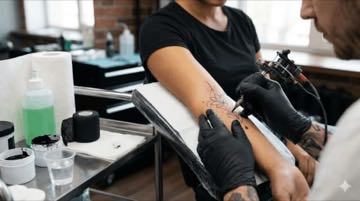
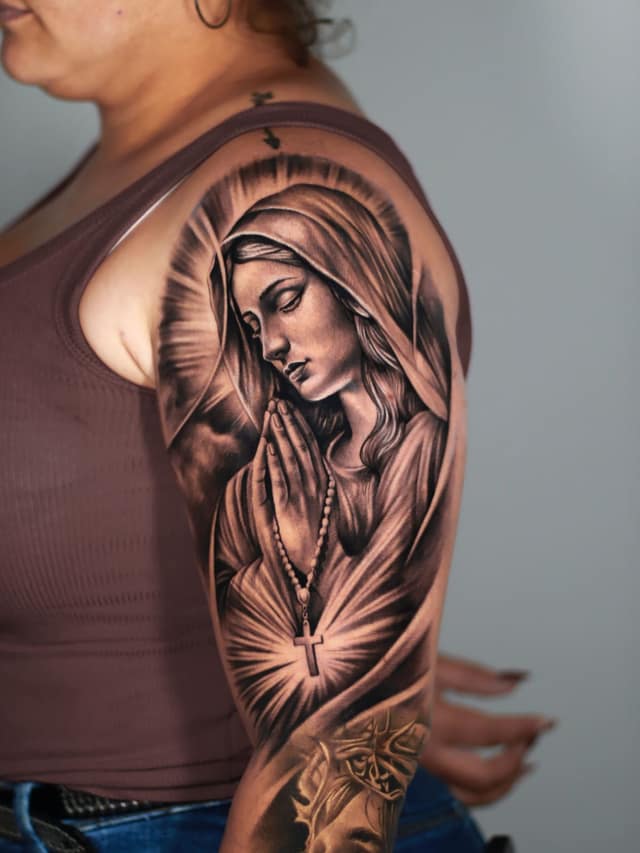
Before getting tattooed you should ask the artist about the design process, the total price and what it includes, hygiene protocols, their experience in your style, aftercare and their change policy. These questions set realistic expectations and help you choose safely. Here's the full list by category.
Getting a tattoo is an important decision that requires careful consideration and a lot of information. One of the best ways to make sure you're making the right decision is to ask the right questions before committing to a design and an artist. Asking questions not only helps you better understand the process, but also helps you evaluate if the artist and studio are right for you. This guide will provide you with a complete list of important questions you should ask before getting a tattoo.
Not all questions are equally important, and some may be more relevant depending on your specific situation. However, there are certain fundamental questions that everyone should ask, from questions about the process and costs to questions about hygiene and safety. In this article we'll organize these questions by category so you can make sure to cover all important aspects before your first session.
Questions about design and process
Before committing to a design, it's important to completely understand the creation process and how the session will work. Asking questions about the design helps you have realistic expectations and ensures you'll get exactly what you want. Some important questions include: Can I see the design before the appointment day? Can I make changes or modifications to the design? How long will it take to create the custom design?
It's also important to ask about the process during the session. How long will the complete session take? Can I take breaks if I need them? What happens if I need to divide the work into multiple sessions? How will the design look once it's completely healed? These questions help you understand what to expect and plan your time and budget appropriately.
Also ask about the style and technique the artist will use. What tattoo style is best for the design you want? Does the artist have experience with this specific style? Are there any technical limitations you should know about? Understanding these aspects can help you make more informed decisions about your design and ensure the artist can execute your vision correctly.
Questions about costs and budget
Costs are an important aspect to consider, and it's crucial to understand exactly what you're paying for and what the price includes. Asking clear questions about costs helps you avoid unpleasant surprises and plan your budget appropriately. Ask: What is the estimated cost of the tattoo? Does the price include design, session, and possible touch-ups? Are there additional costs I should know about?
It's also important to ask about payment policies. When is payment required? Do they accept partial payments or payment plans for larger pieces? What payment methods do they accept? Is a deposit required and is it refundable? These questions help you understand financial expectations and plan how you'll pay for the tattoo.
Also ask about cancellation and rescheduling policies. What happens if I need to cancel or reschedule my appointment? Are there cancellation fees? How much advance notice should I give? Understanding these policies can help you avoid problems if unexpected changes arise in your plans. Also ask about touch-up policies: Are touch-ups included in the price or is there an additional cost?
- Total cost: How much will the complete tattoo cost?
- What's included: Does the price include design, session, and touch-ups?
- Payment methods: What forms of payment do they accept?
- Deposit: Is a deposit required and is it refundable?
- Payment plans: Do they offer payment options for large pieces?
- Cancellation: What is the cancellation and rescheduling policy?
Questions about hygiene and safety
Hygiene and safety are non-negotiable aspects when it comes to tattoos. Asking questions about hygiene practices helps you ensure the studio meets necessary standards for your safety. Ask: How do they sterilize equipment? Do they use new, sterile needles for each client? Do they have an autoclave to sterilize reusable equipment? What measures do they take to prevent infections?
It's also important to ask about artist and studio credentials and certifications. Does the artist have necessary licenses? Is the studio certified by health authorities? Do they have health safety certifications? A professional studio will be proud to show these credentials and will be happy to answer these questions.
Also ask about what to do if a problem arises. What happens if I develop an infection or allergic reaction? Does the studio have a protocol for handling complications? Do they work with medical professionals if necessary? Understanding how the studio handles emergency situations can give you peace of mind and help you know what to expect if something goes wrong.
Questions about experience and specialization
Understanding the artist's experience and specialization is crucial to ensure they can create the design you want. Asking questions about the artist's experience helps you evaluate if they're right for your specific project. Ask: How long has the artist been tattooing? What styles do they specialize in? Do they have experience with designs similar to what I want? Can I see examples of work that has completely healed?
It's also useful to ask about the artist's work process. How do they develop designs? Do they work mainly with predesigned designs or create custom designs? How long does it generally take to create a custom design? These questions help you understand how the artist will work with you and what you can expect from the design process.
Also ask about availability and wait times. How long should I wait for an appointment? Does the artist have a waiting list? How far in advance should I schedule my appointment? Understanding these aspects can help you plan appropriately and have realistic expectations about when you can get the tattoo. As we mentioned in our essential beginner's guide, understanding the artist's experience is fundamental for a successful experience.