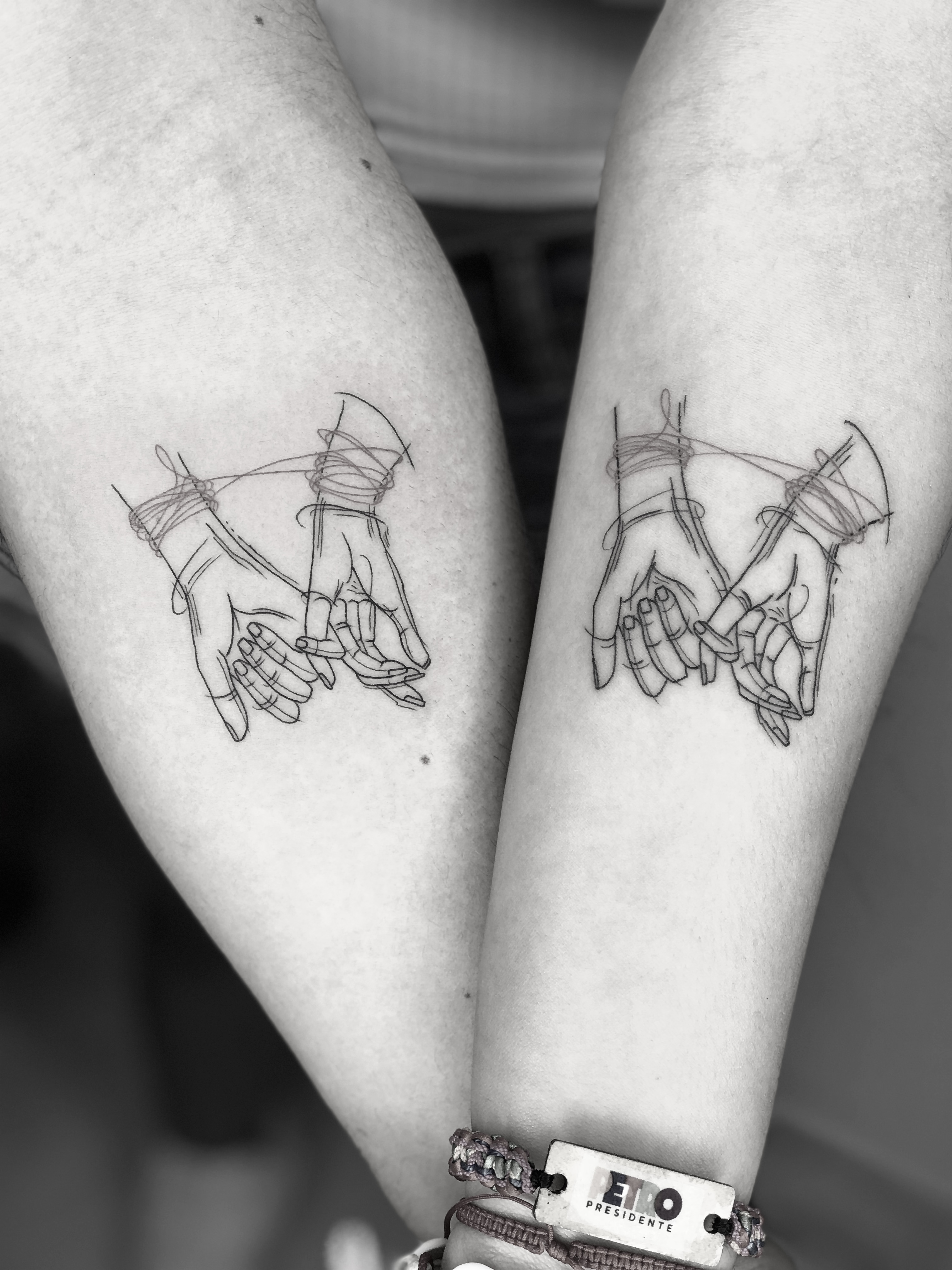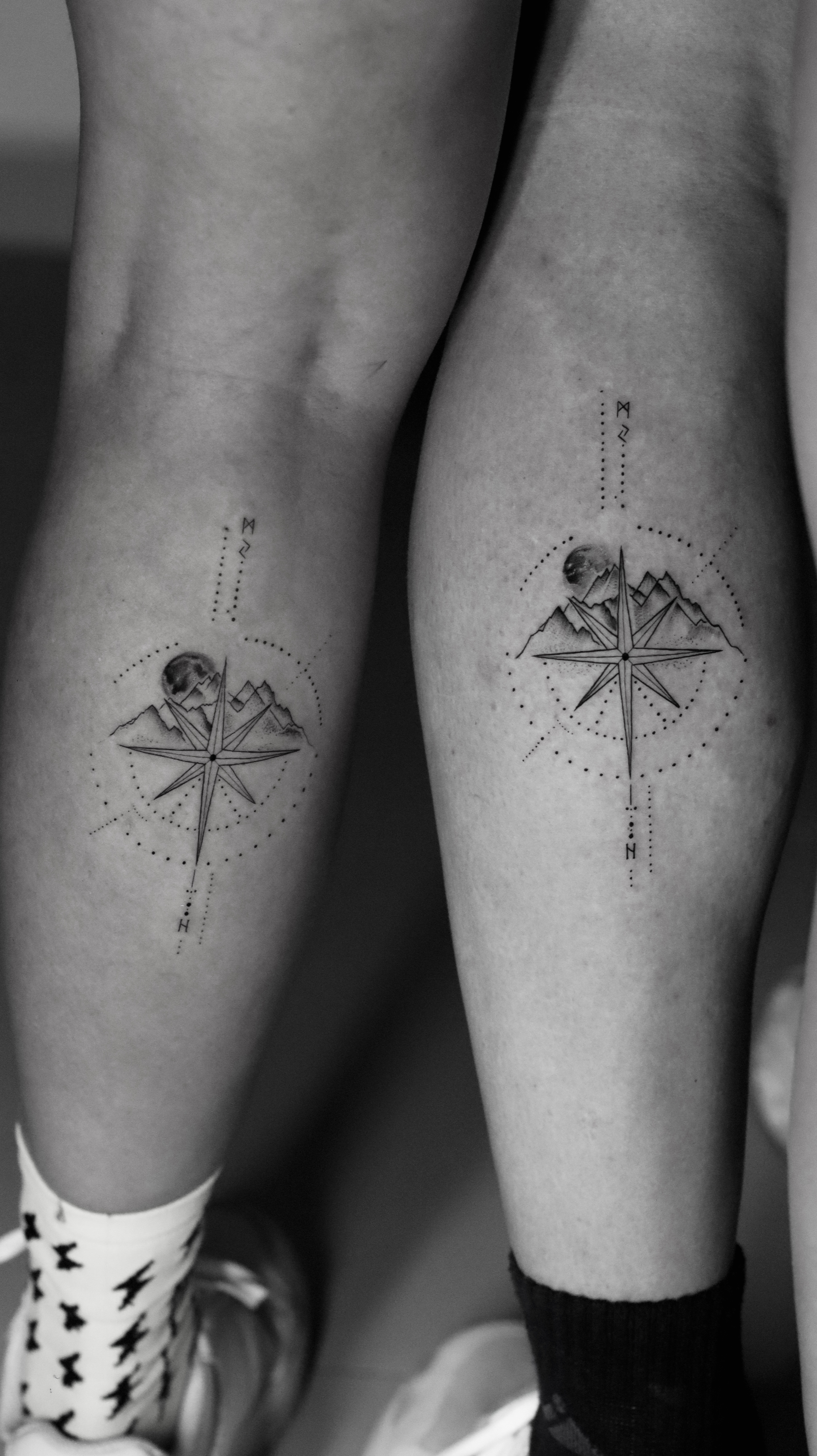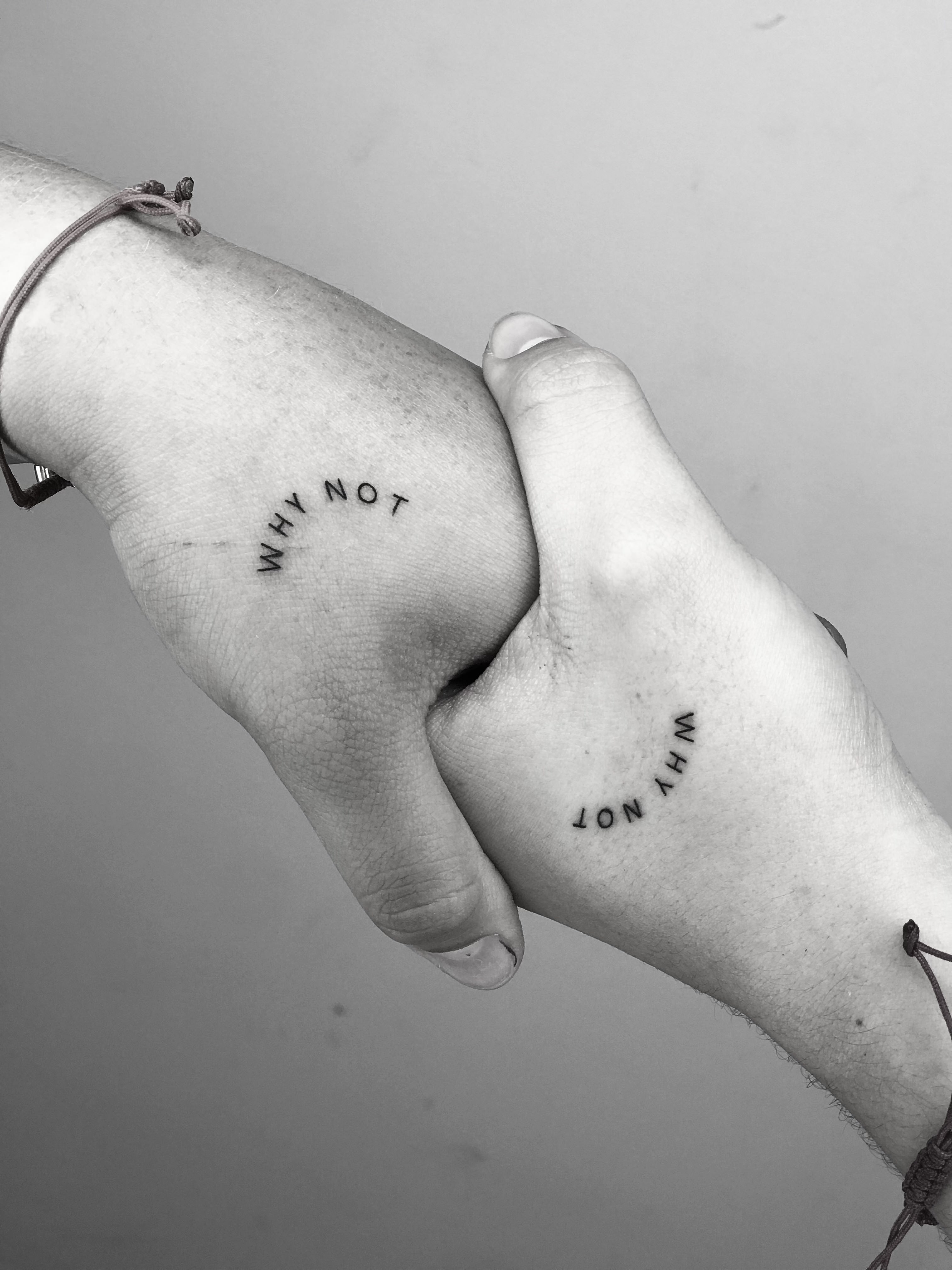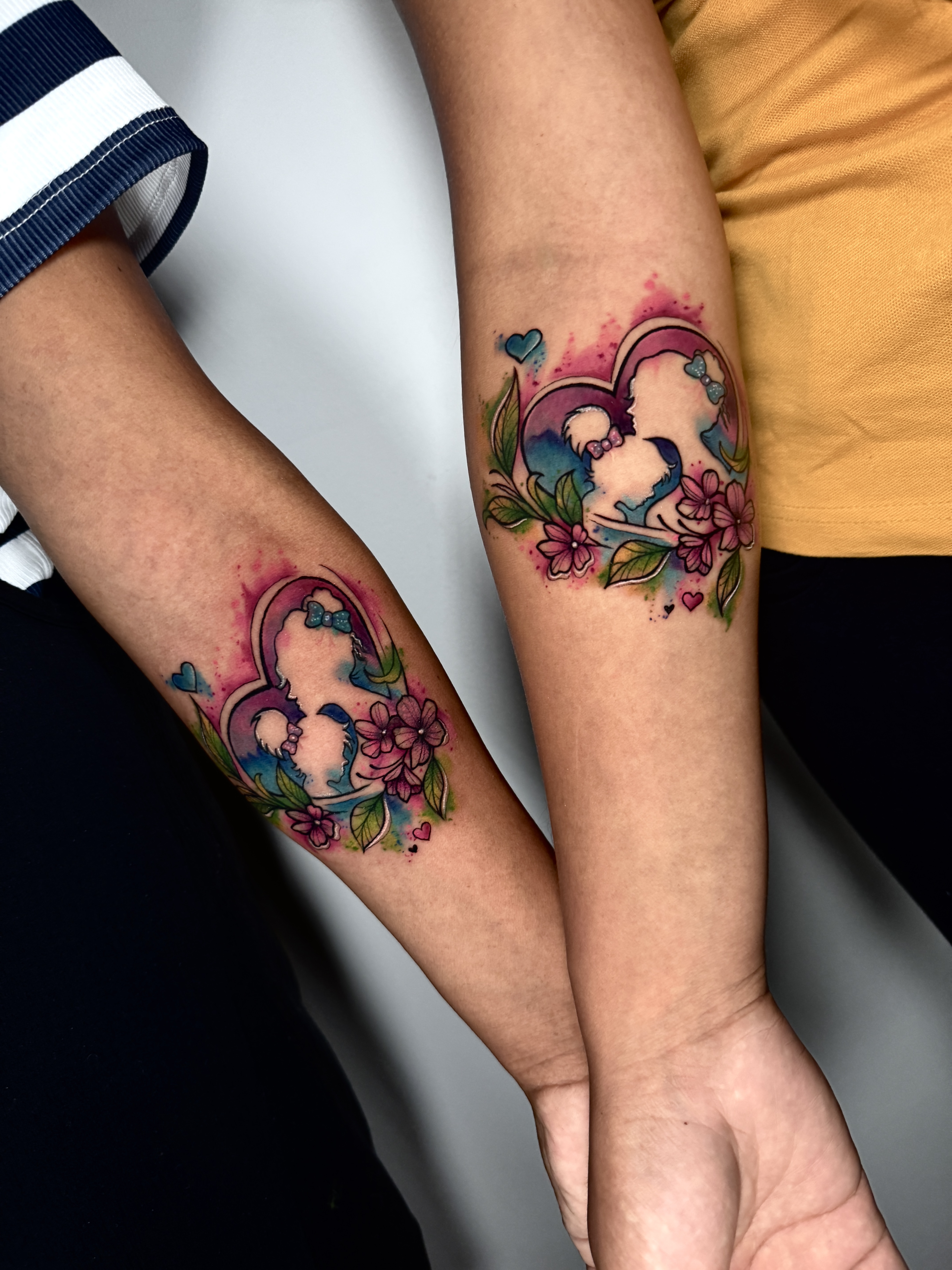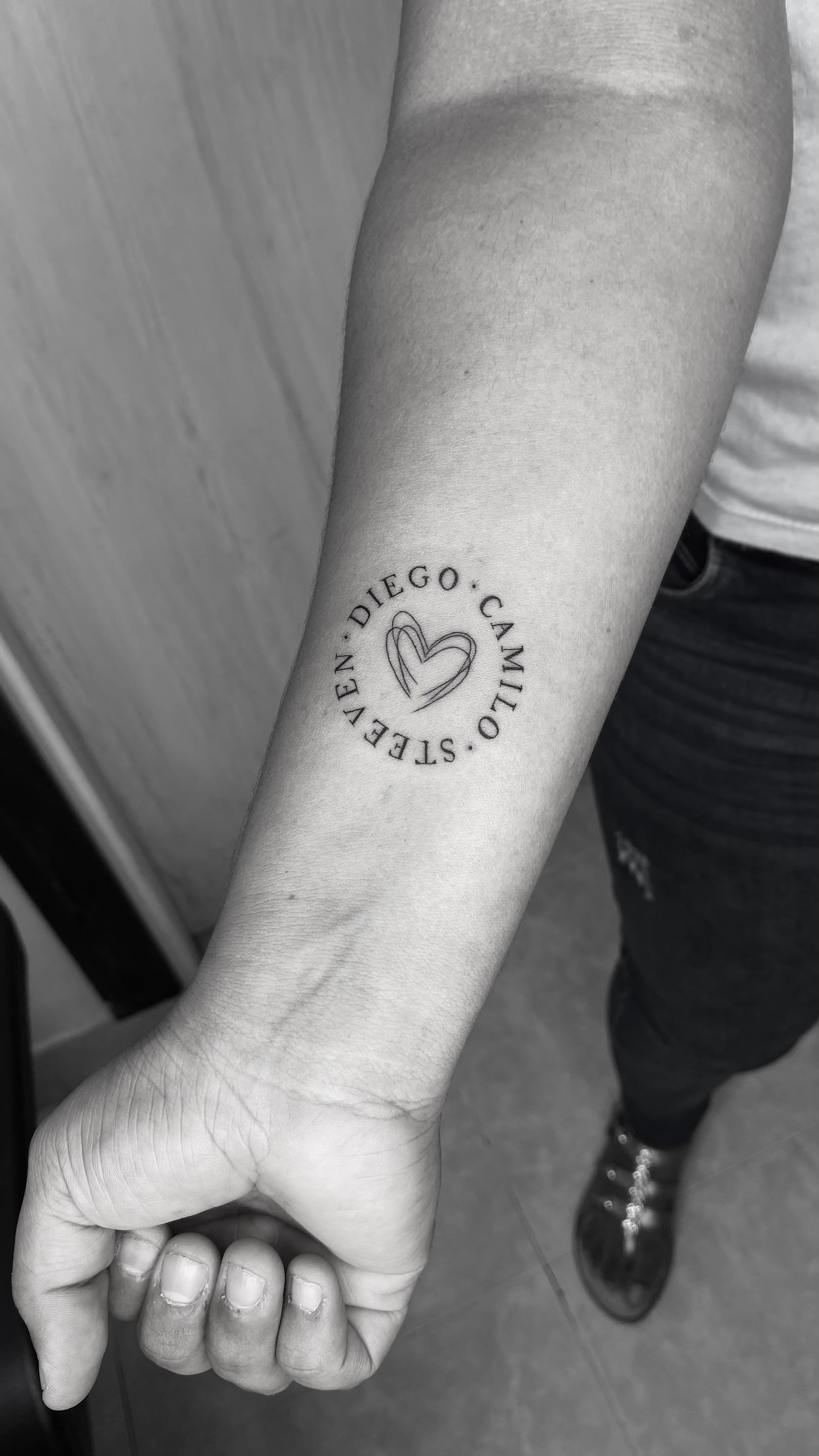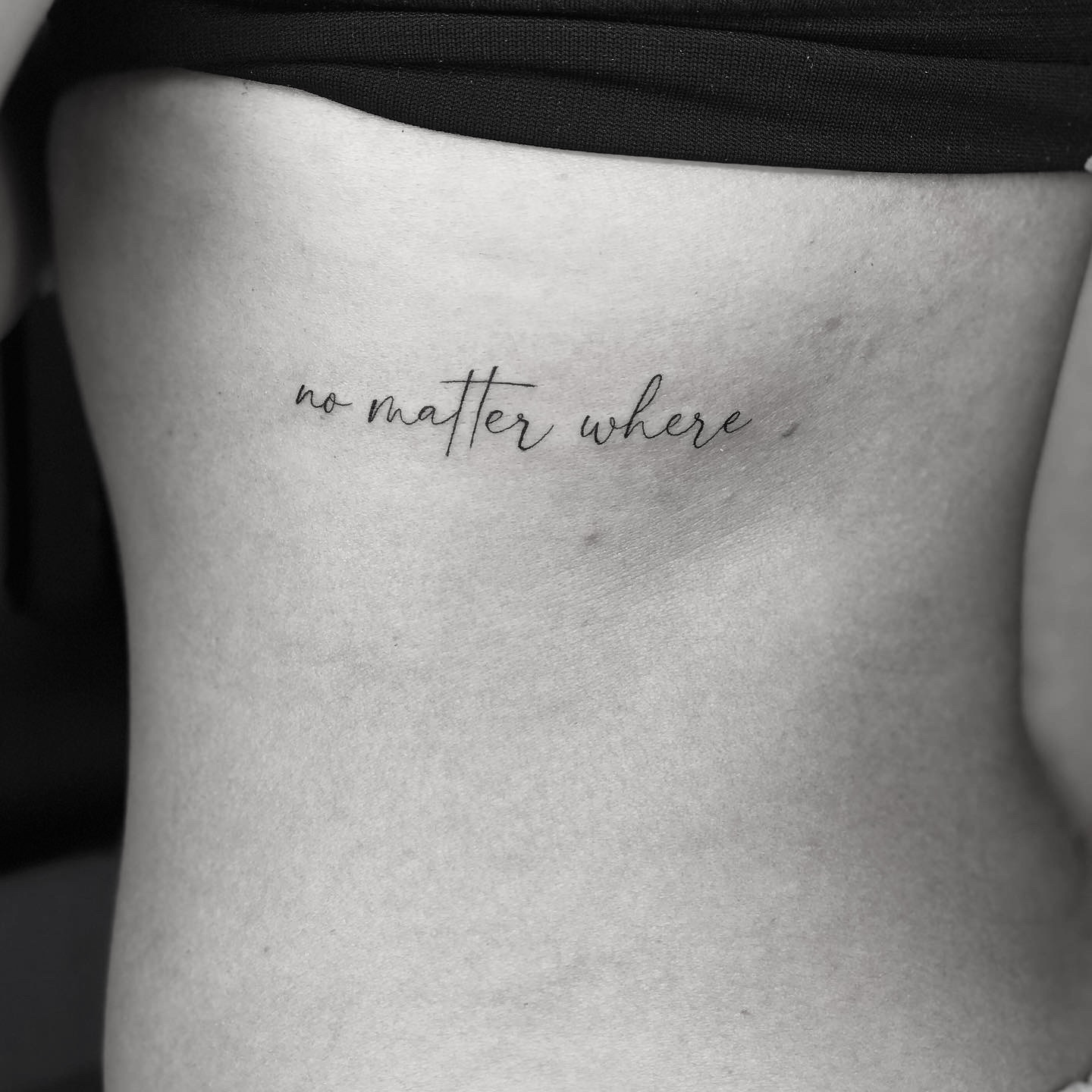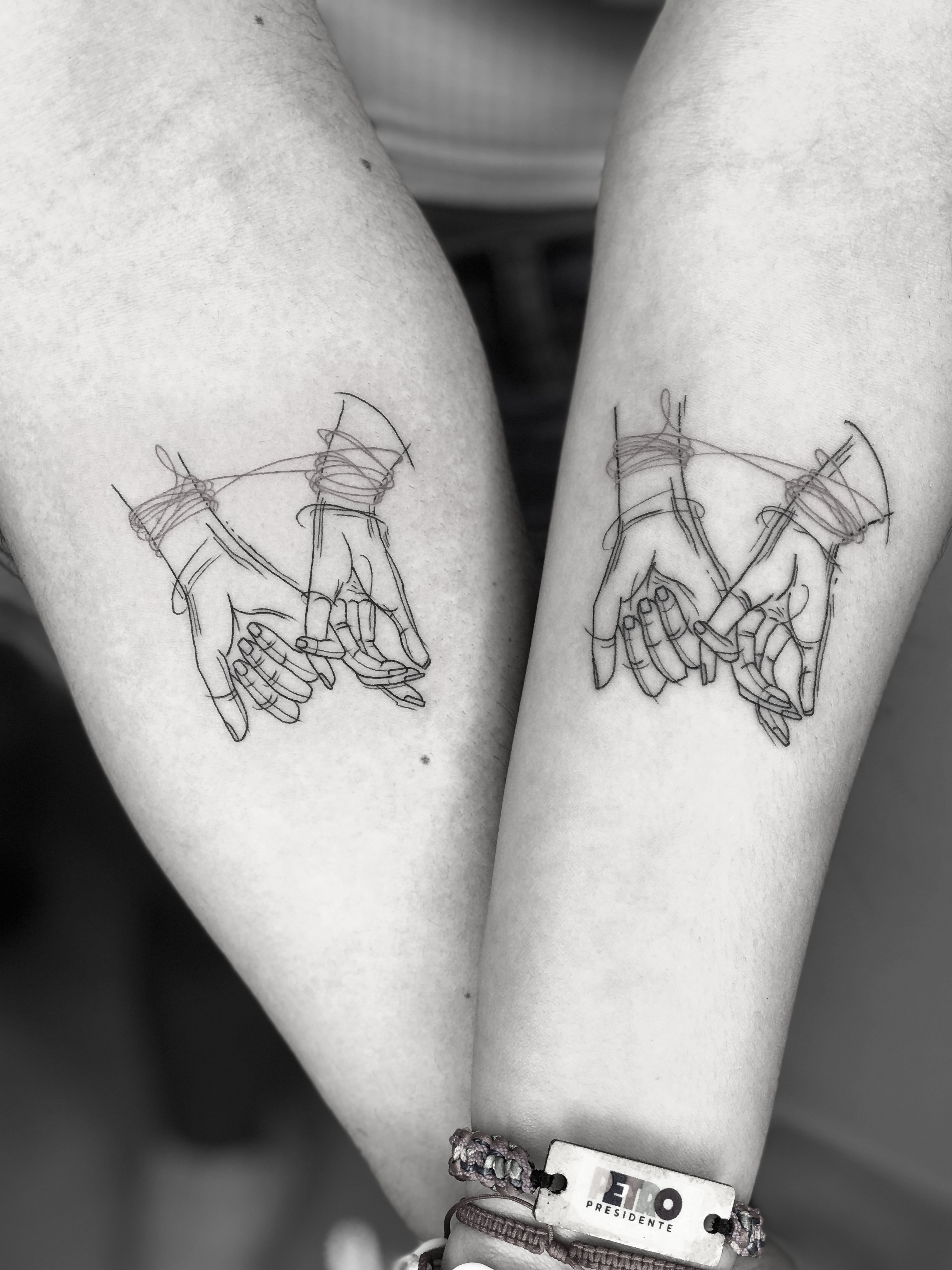
The tradition of solidifying relationships through ink is a millenary ritual spanning various cultures. In the modern context, emblematic dates like Valentine's Day or Friendship Month act as a great incentive to take this leap. Beyond aesthetics, getting tattooed with a significant person creates an indelible memory that requires intelligently conceived design.
The psychology of shared design
From a design standpoint, a collaborative tattoo must meet a golden rule: **it must stand on its own**. The trend of tattooing exactly half a butterfly or a fragmented heart can result in artwork that lacks context when the wearer is alone. Expert designers advocate for "complementary aesthetics," where both tattoos are complete, independent works of art, but when brought together, reveal a hidden narrative or coherent style.
Most successful design categories
- Typographical Minimalism: Typewritten single letters, Morse code lines, or the latitude/longitude of a vital geographic meeting point. This works wonderfully due to its visual neutrality.
- Classic Dichotomies: High-contrast elements like tarot cards (The Sun and The Moon), nautical iconography (a lighthouse and a ship), or crossed botanicals (each person's birth flower crossed with the other's).
- "Ignorant Style" or Patchwork Tattoos: Raw-stroke designs or caricatures representing a highly personal inside joke, ignoring the classic rules of shading to embrace pure graphic authenticity.
Joint preparation for the session
Going to get tattooed together requires alignment not just in art choice, but in physical expectations. Generally, one person has a different pain threshold or is experiencing needles for the first time. The session should be scheduled to prioritize the less experienced individual, allowing them to go first to calm anticipatory anxiety.
On a dermatological level, aftercare instructions do not vary, but having a "healing buddy" ensures both strictly comply with washing regimens, moderate application of ointments without excessive panthenol, and strict avoidance of pools or direct sun exposure during the first 21 days.