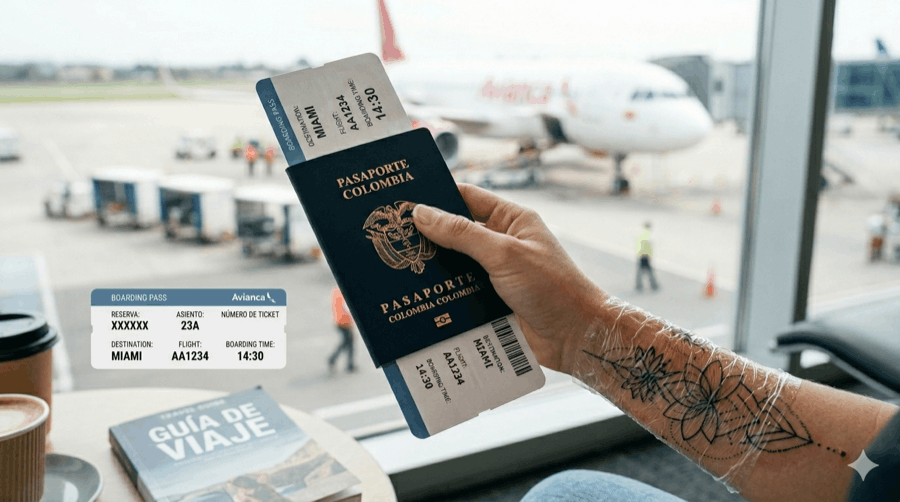
If you’re traveling and getting tattooed in another city (or country), it’s normal to wonder if you can fly back immediately. The short answer is: you can, but it depends. Not because of the airplane itself, but because of what it means for your skin: a tattoo is a fresh wound, and airports, friction, and long hours sitting aren’t ideal healing conditions.
The key is separating "possible" from "recommended". A one-hour flight isn’t the same as an intercontinental flight. A tiny tattoo isn’t the same as a large, saturated piece. This guide helps you assess real risks and plan smartly so your tattoo heals well.
What happens in your body in the first hours after tattooing
In the first hours, the tattooed area is usually swollen, warm, and tender. You may have plasma and ink seepage, and the skin is just starting to close. In that phase, your priority is keeping the area protected and clean according to your studio’s instructions.
The issue with heading straight to an airport is exposure to friction (clothing, backpacks, seat belts), high-touch environments, and the chance of sweating or getting the area dirty. It’s not that the plane "causes" infection—it’s that your skin is more vulnerable.
On longer flights, hands, feet, and limbs can swell due to position and pressure changes. If your tattoo is in an area that tends to swell, you may feel extra tightness and discomfort, and additional swelling doesn’t help healing.
Main risks of flying with a fresh tattoo
The biggest risk is friction plus hygiene plus losing your routine. If you can’t wash, dry, and apply your recommended product properly, skin can over-dry, become irritated, or develop small abrasions from rubbing.
There’s also the risk of "sticking" if a bandage/film gets damp with sweat and stays on too long. That can cause maceration (overly moist skin) and irritation. If you’re flying, you need a plan and the right tools to keep care under control.
- Common travel risks to consider:
- Constant rubbing from tight clothing or seat belts.
- Sweat and humidity trapped under film.
- Limited ability to wash hands and the area hygienically.
- Sun exposure right after landing (especially in beach climates).
When it’s relatively safe to fly soon
Generally, if the tattoo is small, in a low-friction area, and the flight is short, flying the same day can be manageable if you’re organized. The point isn’t an exact hour—it’s whether you can care for the wound during transit.
If your studio applies a second-skin style film and you’re instructed properly, that often makes travel easier. Still, listen to your body: if the tattoo bleeds a lot, swelling is high, or the area gets irritated with any rubbing, adding flight stress may not be worth it.
For large pieces (full thigh, back, sleeve), it’s best to allow time for initial swelling to settle and aftercare to stabilize. Many travelers plan the tattoo early in the trip so they have recovery days before flying home.
How to prepare if you must fly
If flying is unavoidable, preparation makes the difference. Don’t improvise. Bring an aftercare kit and choose clothing that minimizes rubbing. Also consider the setting: airport bathrooms aren’t ideal for handling a fresh tattoo unless you can keep things clean.
The golden rule is to keep the tattoo clean, protected, and free from constant friction. If you need to remove a bandage, do it as instructed—never dry-peeling. If anything gets dirty, prioritize hand hygiene before touching the area.
After landing, avoid direct sun and plans that involve heavy sweating or submerging the tattoo. A fresh tattoo doesn’t mix with pools, ocean, or intense workouts—and travel doesn’t change that biology.
Practical advice depending on your trip
If you’re planning a tattoo during travel, the best advice is to build your schedule around healing, not the other way around. If you get tattooed and the next day is beach, long walks, pools, and flights, you’re stacking factors that can compromise results.
If you want your tattoo to look great, give it conditions. That doesn’t mean staying indoors—it means avoiding friction, sun, and water in the first days, and ensuring you can follow a basic cleaning/moisturizing routine.
If you want, share your route, flight length, placement, and tattoo size. We can tell you whether it’s better to tattoo before or after flying, which film is best, and how to build a realistic travel aftercare plan.


