'I want to get tattooed, but I'm still in the process of losing weight' or 'I'm gaining a lot of muscle at the gym and don't know if the tattoo will distort' are two of the phrases we hear most from people postponing their appointment. The fear that body changes will ruin a tattoo is real, but in most cases it's overblown. In this article we give you the information you need to make an informed decision.
The short answer: it depends on how much your body changes, where the tattoo is, and how large that change is. Tattoos are more resilient to body changes than people think, but there are important exceptions worth knowing.
How does losing weight affect a tattoo?
When you lose weight significantly, skin that was previously stretched by fatty tissue relaxes. In areas where there was a lot of volume, that skin may have some laxity, and tattoos in those areas may look slightly distorted. The effect depends entirely on how much weight is lost and the speed of the change.
Moderate weight loss (less than 30–40 lbs) rarely noticeably affects tattoos, especially those on muscular areas like arms, legs, and shoulders. The higher-risk areas are the abdomen, waist, and inner thighs, where there's greater fat accumulation and the skin is more exposed to tension changes.
If you're in the process of losing weight, the recommendation is: if the goal is significant loss (more than 40 lbs), wait until you're close to your target weight before tattooing areas of the abdomen, waist, or hips. If the change will be minor or you're already at a stable range, muscular areas (forearms, arms, legs, upper back) are perfectly viable from now.
What happens to tattoos when gaining muscle?
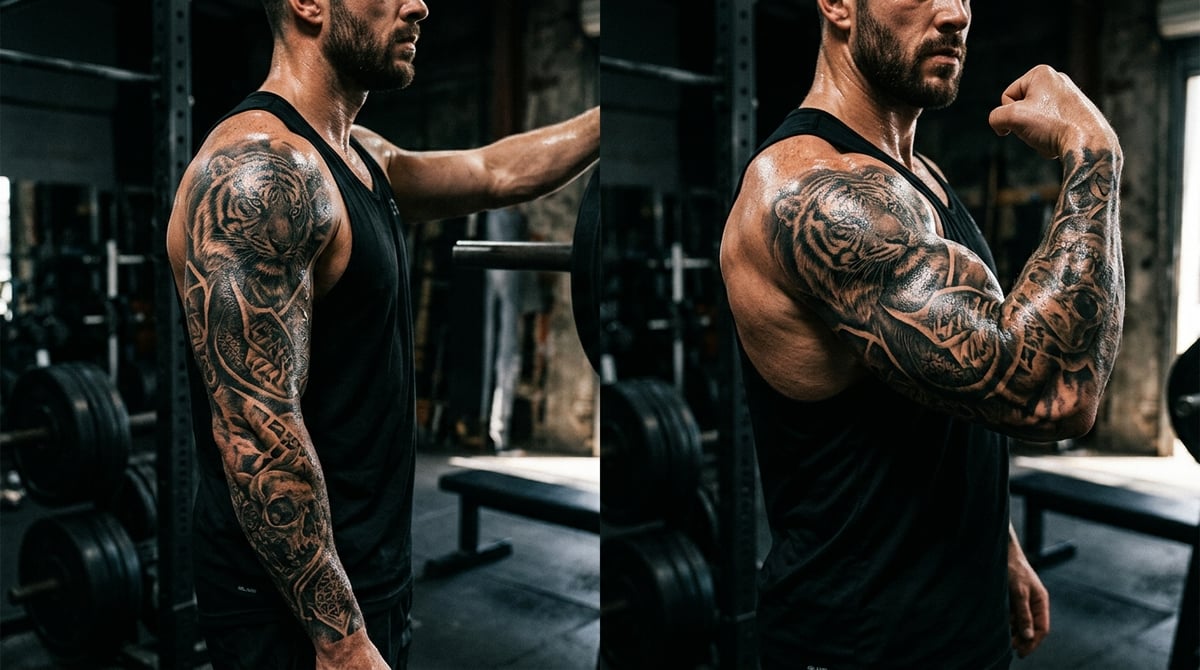
This is the favorite question of gym-goers. The good news: gaining muscle mass generally doesn't significantly distort tattoos. Muscle grows from the inside, and the skin gradually adapts to that additional volume without stretching abruptly.
What can happen with significant muscle gain is that the design may look slightly different when the muscle is contracted versus relaxed. This is especially visible in tattoos on the bicep or forearm. However, in the vast majority of cases the design isn't distorted — it simply adapts to the new muscle shape.
The people who notice the most impact are high-level bodybuilders who gain very large volumes in short periods. For the average fitness person, the change is practically imperceptible in the tattoo.
Pregnancy and tattoos: the most specific situation
Pregnancy is the situation where the body changes most dramatically and quickly. Tattoos on the abdomen can distort during pregnancy and may have visible alterations afterward, depending on weight distribution and how well the skin recovers its elasticity postpartum.
Therefore, if you're planning to have children and want a tattoo on the abdomen or waist, it's recommended to wait until after pregnancy and after your body has recovered its shape. Tattoos in other areas (arms, legs, upper chest, back) are generally not significantly affected by pregnancy.
Areas most and least resistant to body changes
To help you make the best decision about where to get tattooed if your body is transforming:
Areas most resistant to changes:
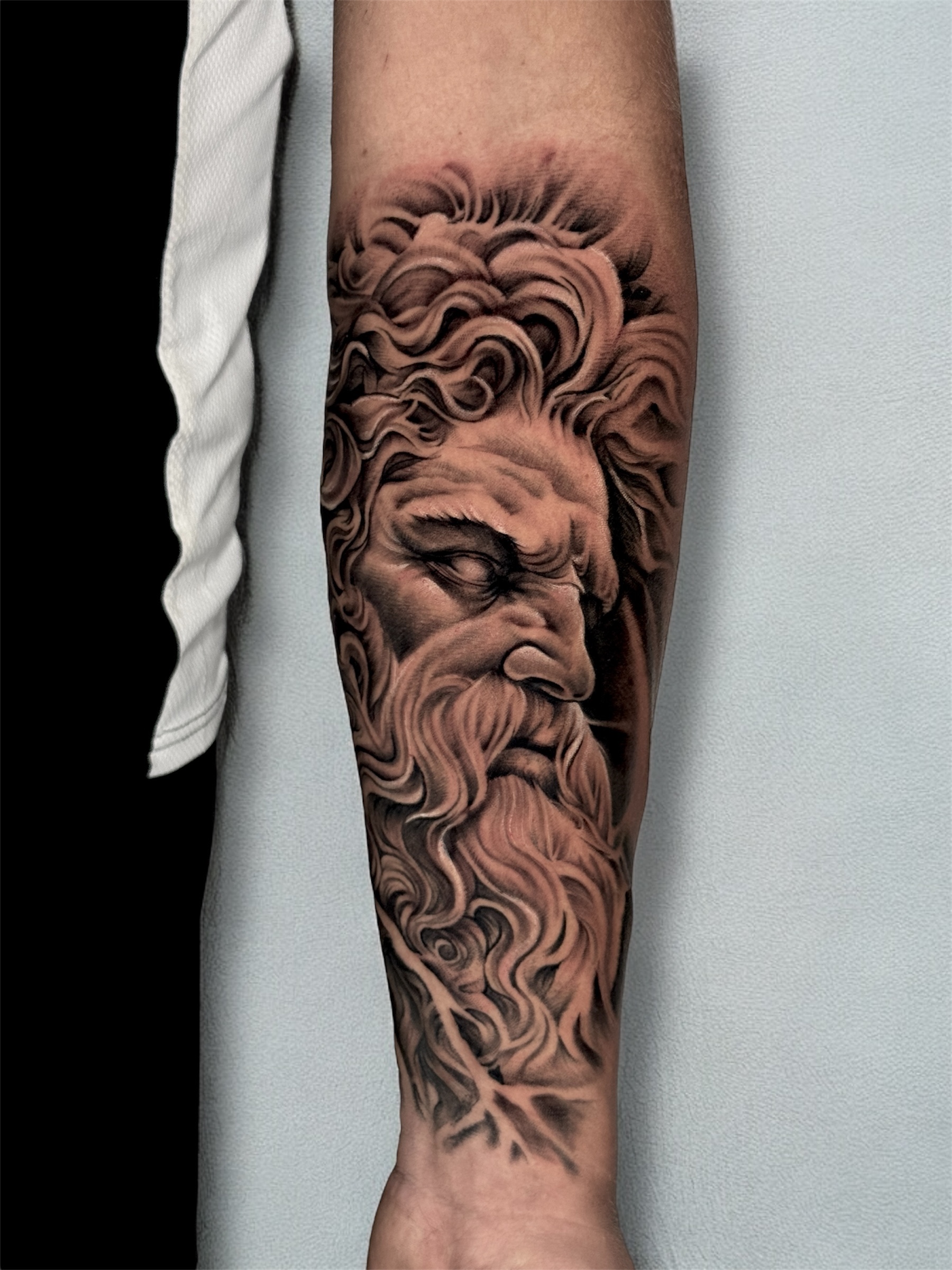
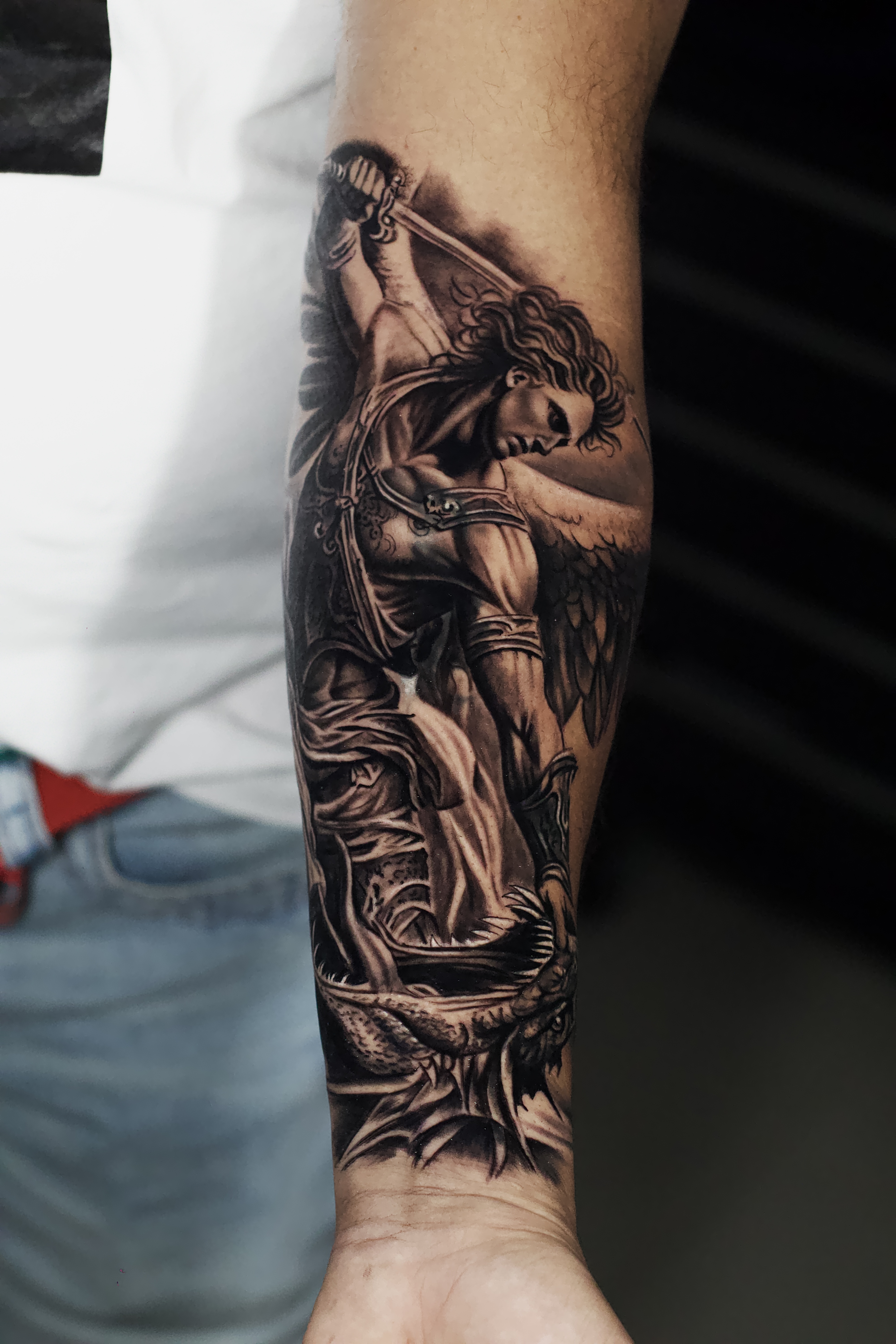
- Forearm (inner and outer)
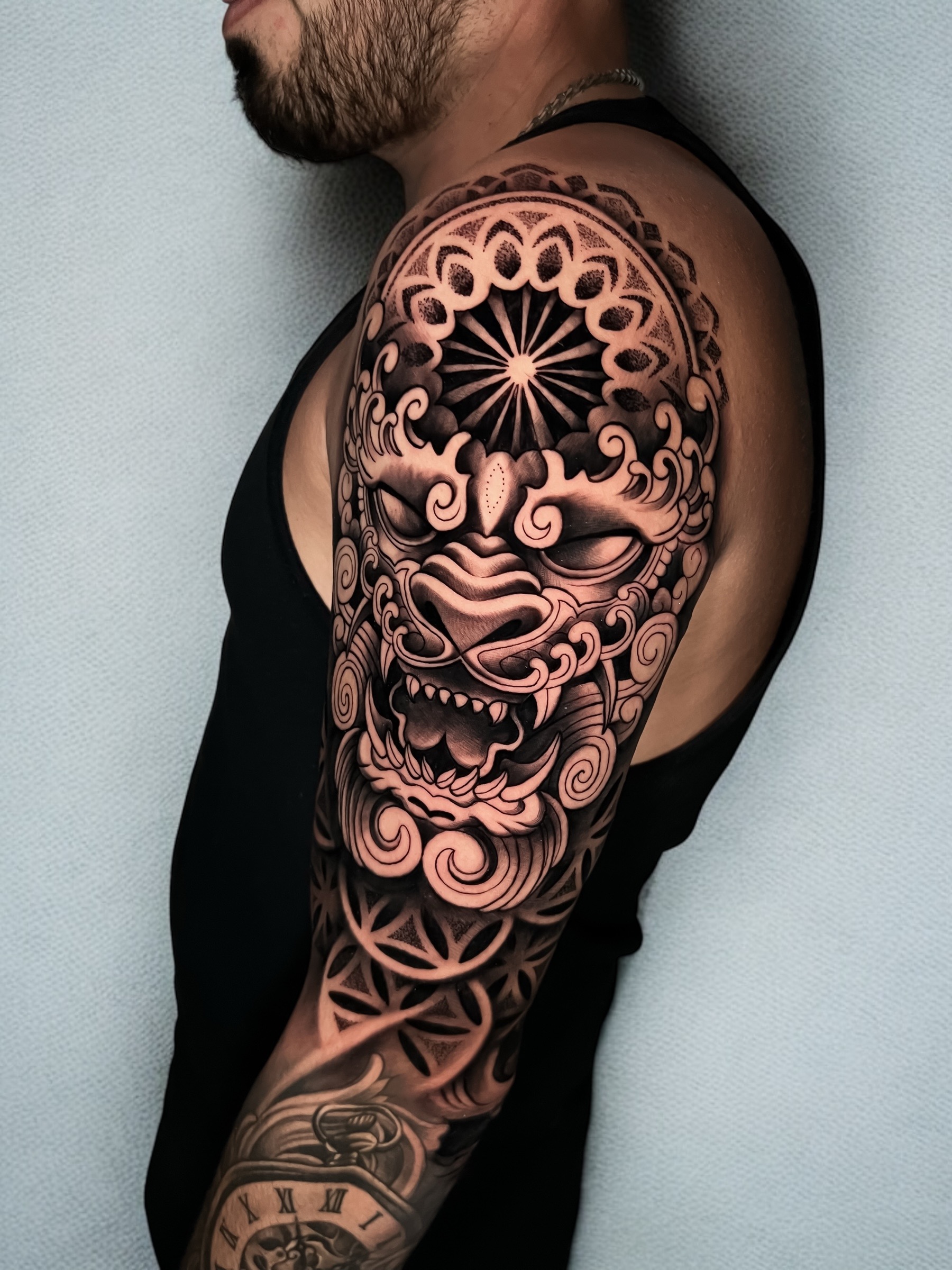
- Upper arm (bicep, tricep)
- Upper back
- Shoulders and deltoids
- Calf and shin
- Chest (clavicular and upper sternal area)
Areas that change most with weight:
- Abdomen and lower lumbar area
- Hips and inner thigh
- Breasts (for tattoos that depend on shape)
- Gluteal area
Can I get a tattoo if I'm still in the process of change?
Yes, with the right considerations. If you're in an active physical transformation process, we recommend choosing muscular areas that will change little in shape (forearm, upper back, shoulder, calf) and temporarily avoiding areas of greater fat accumulation. A good artist can advise you in consultation on which area makes most sense for your current life project.
At Legassy Studio we always evaluate each client's context to ensure the chosen tattoo will look exactly as they imagined — not just the day they get it, but also 10 and 20 years from now. That sometimes means recommending waiting or choosing a different area than the client had in mind. That honesty is part of our service.
The role of hydration and skin care in tattoo longevity
Regardless of whether your body is going to change or not, there is one factor that has an enormous impact on how a tattoo ages over the years: the state of the skin that houses it. Well-hydrated, elastic, sun-protected skin maintains ink integrity over time much better than dry, uncared-for skin with frequent UV exposure.
This is especially relevant for people who exercise intensely on a regular basis. Frequent sweating, tight athletic clothing in tattooed areas, and sun exposure during outdoor activities are factors that can accelerate ink wear. These aren't reasons not to get tattooed, but they are reasons to take simple preventive measures: apply SPF to tattooed areas before training outdoors, moisturize skin after every shower, and avoid excessive friction in the area during the healing period.
If you're someone with an active lifestyle, tell your artist before starting: that information influences the area, style, and design recommendations that can optimize your tattoo's durability for your specific way of life. A tattoo designed and placed with your lifestyle in mind will always outlast one that wasn't.