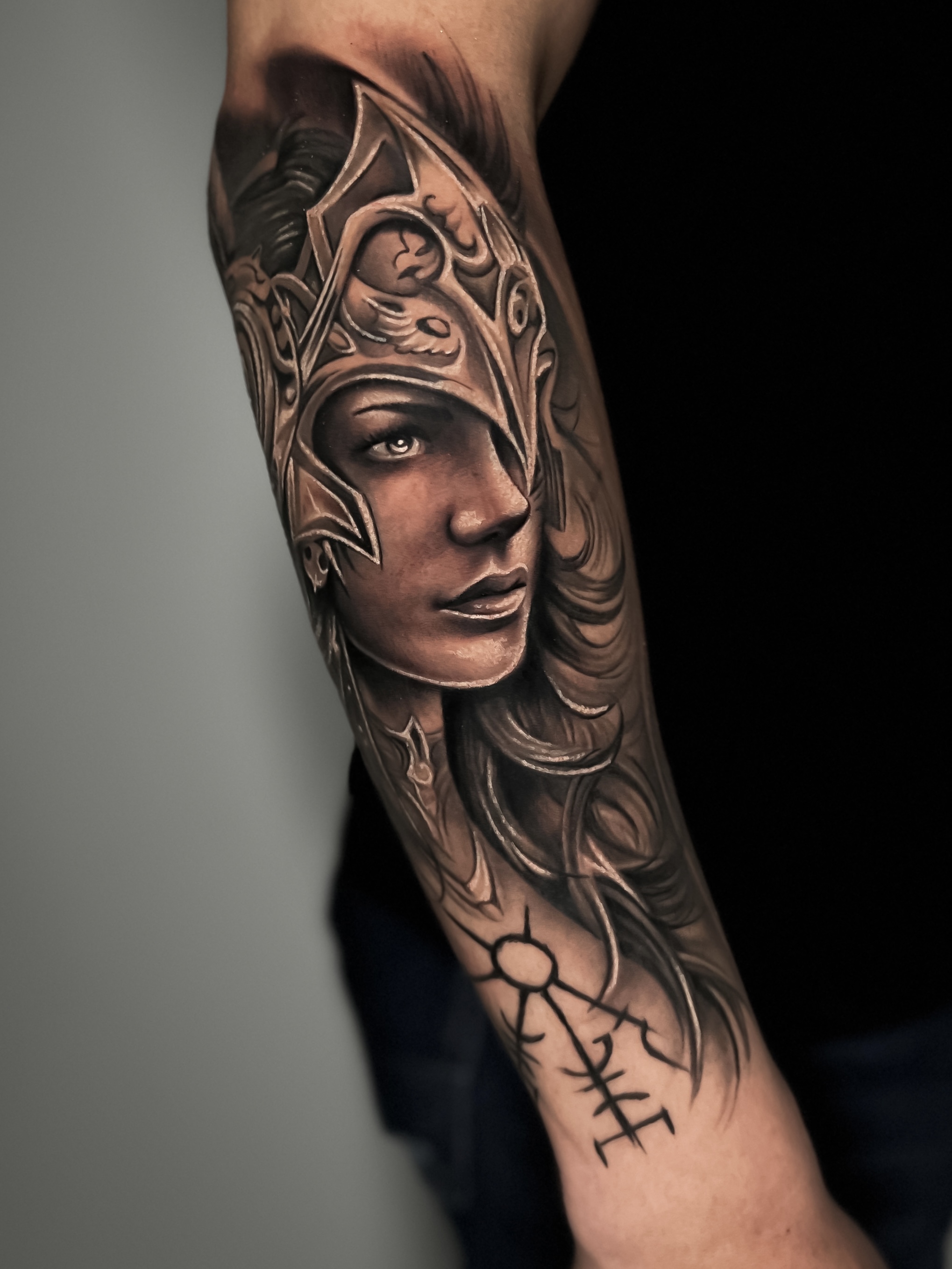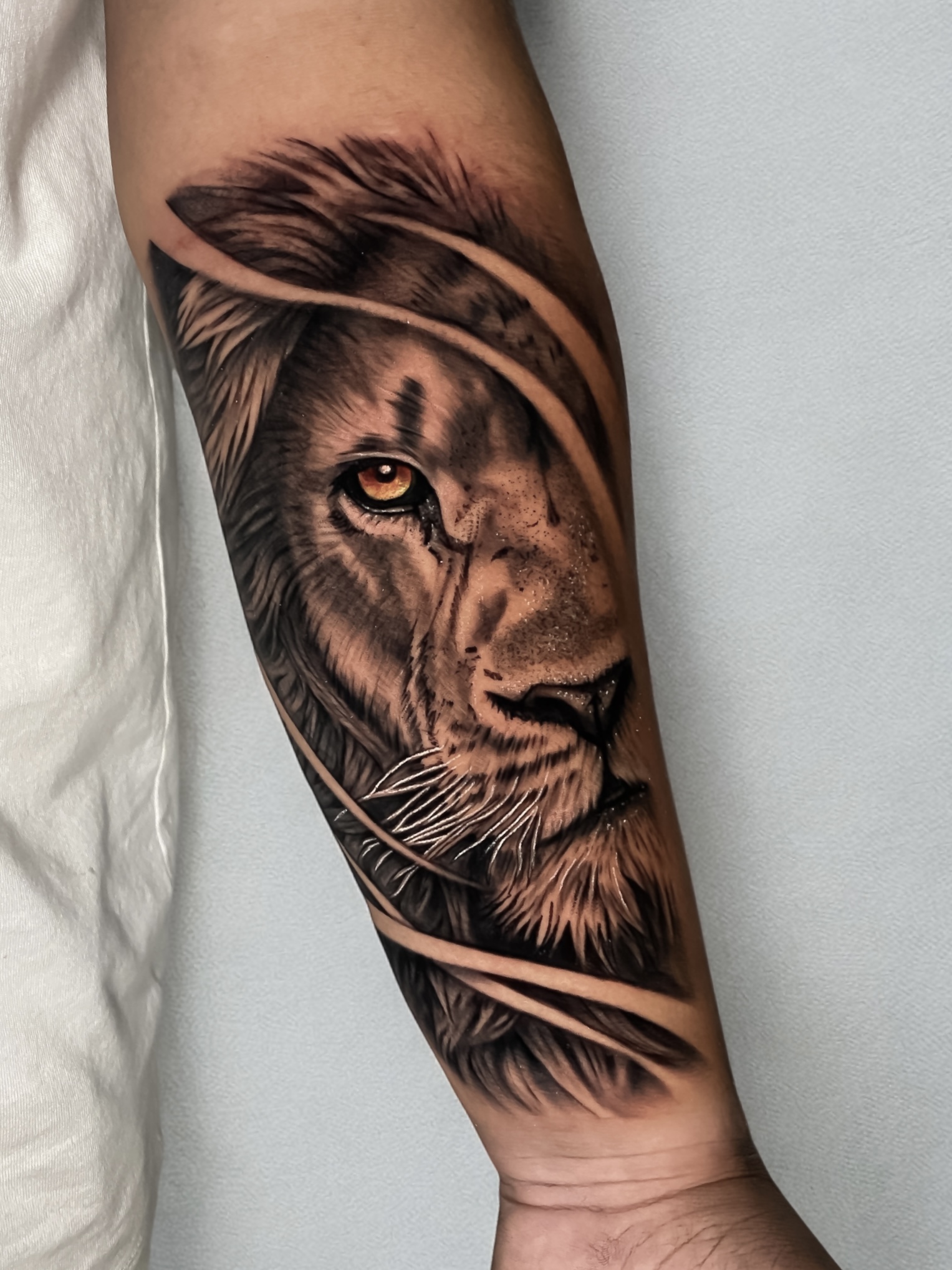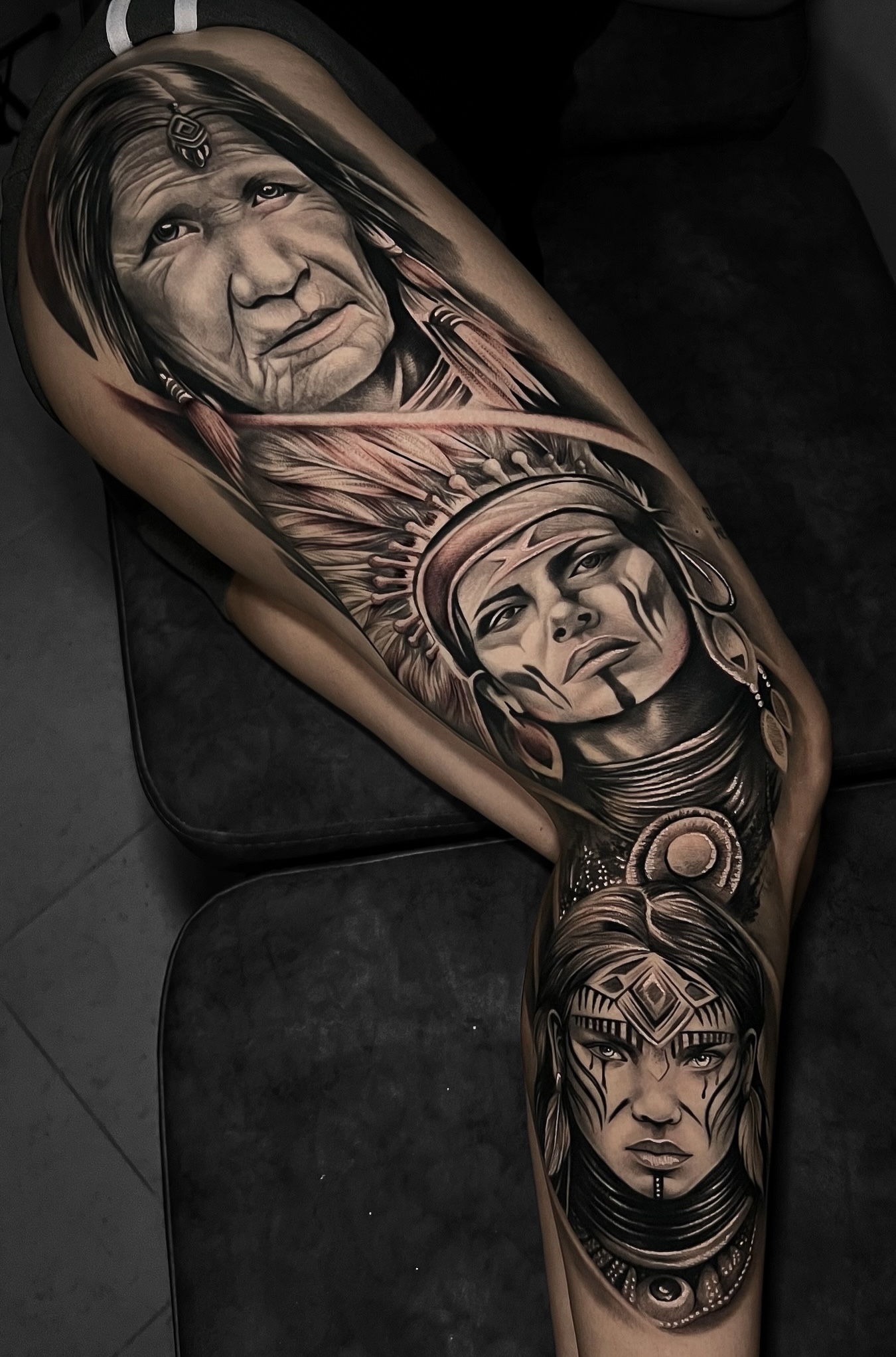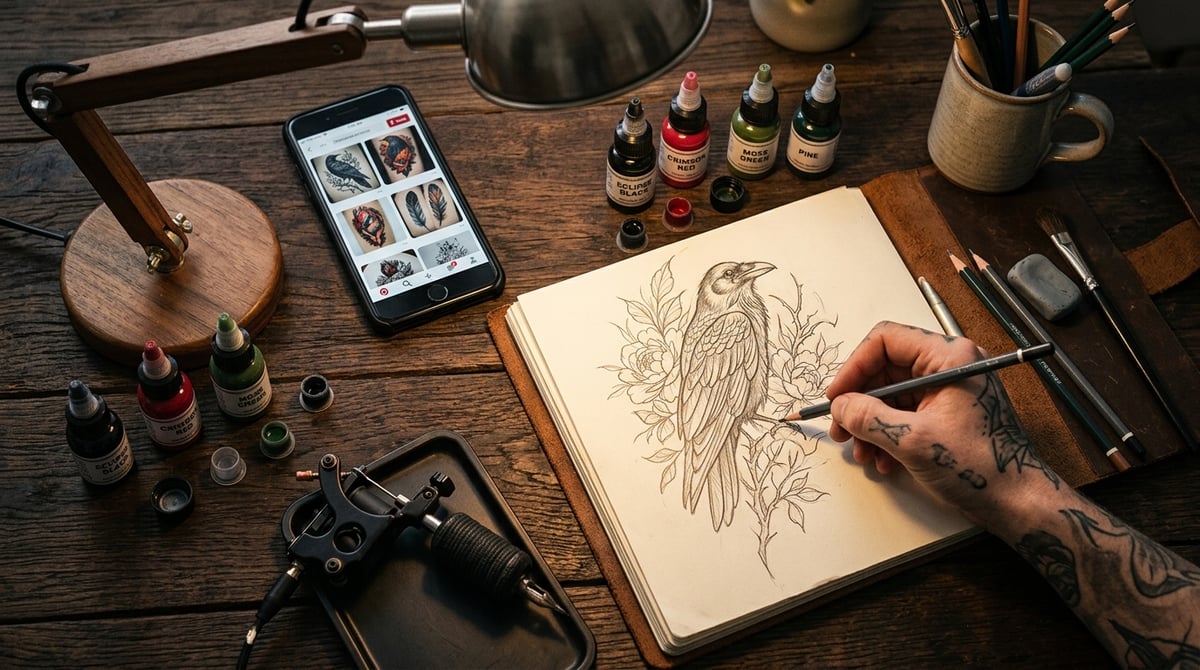
You arrive at your consultation with a phone full of screenshots from Pinterest, Instagram, and TikTok. You have 15 saved references you like for different reasons and don't quite know how to explain to the artist what you want. This is the most common situation and also the one we can best handle, as long as you understand one fundamental thing: references are the starting point, not the destination.
The real problem isn't arriving with internet references. It's wanting an exact copy of a tattoo that already exists. And in this article we explain why that's a problem for both the artist and for you.
Why shouldn't you want an exact copy of another tattoo?
The most obvious reason is respect for another artist's work. An Instagram tattoo you love is the result of hours of creative work by an artist who designed it for a specific client, in a specific body area, with a specific idea behind it. Copying it exactly isn't finding inspiration: it's plagiarism.
But there's an even more practical reason that directly affects the result you'll have on your skin: that tattoo was designed for someone else's body. Its proportions, position, size, and the way the design flows with the anatomy are conceived for that specific person, not you. A professional artist who copies someone else's design without adapting those factors will deliver a result technically inferior to the original and visually disconnected from your anatomy.
How to use references intelligently
References from Pinterest, Instagram, or any other source are extremely valuable tools when used correctly. The key is knowing which element of that reference is catching your attention:
- Do you like the style? (Black & grey, fine line, realism, neo-traditional)
- Do you like the subject matter? (Flowers, animals, figures, landscapes)
- Do you like the composition? (Vertical, horizontal, circular, with multiple elements)
- Do you like the scale? (Small and discreet, medium, large format)
- Do you like the level of detail? (Minimalist, medium, maximum detail saturation)
When you arrive at the consultation and can articulate what specifically attracts you to each reference, the artist has exactly the information they need to create something that captures all those elements in a completely new design, adapted to your body and your story.
The perfect brief for your tattoo
At Legassy Studio we work with what we call a design brief, though we don't formally call it that. Before starting any project, the artist will ask you these questions (and you can come prepared with answers):
- What do you want the tattoo to mean or represent? It doesn't have to be an elaborate story, but knowing if there's a personal meaning helps the design greatly.
- Where is it going and what size are you looking for? The area and size condition everything else.
- What visual style attracts you most? References help here.
- Are there elements you definitely don't want? Knowing the discarded elements is as useful as knowing the preferred ones.
- Do you give the artist creative freedom? If you give freedom within certain parameters, the result usually exceeds expectations.
Can I see the design before appointment day?
At most quality studios, including Legassy Studio, the final design is presented on the day of the appointment, not before. This may seem uncomfortable, but it has an important technical reason: the artist designs thinking about how the stencil will look on your specific body, and that can only be confirmed when they see you in person and position the design in the chosen area.
What you can (and should) do before the appointment is have detailed conversations with the artist about your expectations, ask if there are references from their own portfolio in that style they can show you, and clearly establish which elements are non-negotiable for you. A good artist will always be willing to adjust if the design presented on appointment day doesn't meet those expectations.
What if I don't like the design on appointment day?
This is a question many clients have but few dare ask before arriving. The honest answer is: you can always request modifications before the stencil is definitively applied. Once the stencil is on your skin and you give the go-ahead, the process begins. That's why it's important to review calmly, without rushing, and communicate any adjustments you need before that moment.
At Legassy Studio we never start a session without the client having approved the design. It's as important a part of our process as the technical execution itself. Your comfort with the design is the starting point of a good session.
After the consultation: how the artist transforms your brief into a design
Once you've had the initial conversation and the artist understands what you're looking for, the design process begins. This process is different from that of a graphic design agency: the tattoo artist works with the three-dimensionality of your body, the technical limitations of ink on skin, and their own aesthetic language. The result won't be exactly what you imagined in your mind, and that's a positive thing, not a negative one.
What the artist will do is take the essential elements you captured in your brief (the style, the subject, the aesthetic values you identified in your references) and translate them into a design that truly works in your chosen body area. They may simplify elements so they read better at that scale, add movement or composition not present in any of your references, or propose a different orientation that better suits your anatomy.
Your role in that process isn't to approve every technical decision the artist makes: it's to confirm that the spirit of what you wanted is captured in the design. Technical execution is the artist's responsibility, and it's in that hand-off of trust where the best Legassy Studio projects have been born. When both client and artist are aligned on vision but the artist has creative freedom in execution, the result is consistently something neither could have achieved alone.