We found no fixed salary or reliable official figures for what a tattoo artist earns in Colombia. Income depends on how they charge, how many sessions they do each month, their style and reputation, whether they work in a studio or independently and how they sell their work. So it can vary widely.
If you are thinking about this career, it is normal to wonder how much a tattoo artist earns in Colombia. We found no reliable official figures for the trade, so instead of giving you a made-up number, we explain what it really depends on.
How tattoo artists charge
| Model | When it is used |
|---|---|
| By piece | Small and medium tattoos with a defined design. |
| By session | Long projects such as sleeves or back pieces. |
| By the hour | Work where time is hard to estimate. |
The basic formula is simple: income = sessions per month × price per session − costs (supplies, space or studio share, advertising). Everything you do to grow your bookings or the value of your work moves that result.
The 5 factors that weigh the most
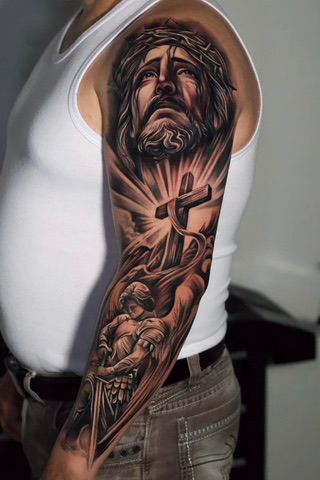
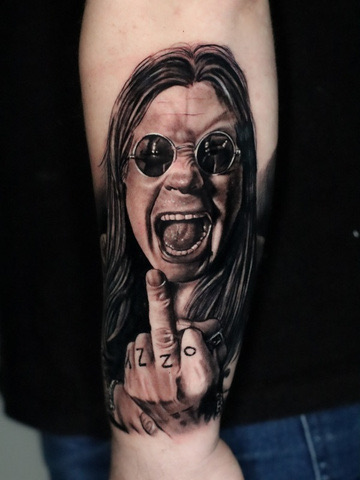
- Technique and style: demanding styles such as realism are usually priced higher for the time and skill they require.
- Portfolio: it is what convinces a client to pay for your work.
- A full calendar: an artist with a waiting list can choose their projects.
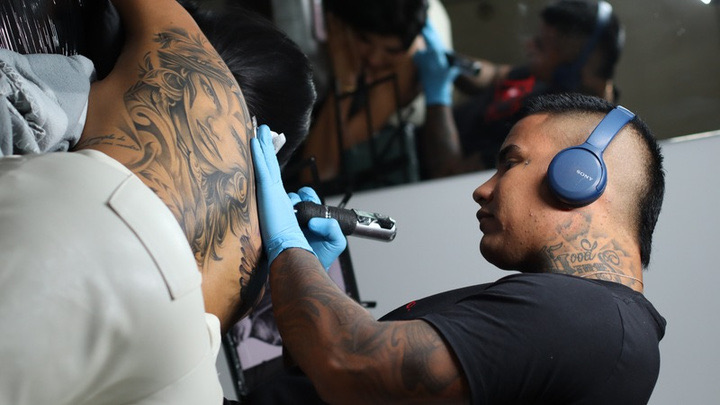
- Where you work: in a studio you share earnings but gain clients and structure; independently you carry all the costs.
- Brand and sales: knowing how to photograph your work, communicate on social media and reply well over chat makes a big difference.
Technique makes you a good tattoo artist; brand and sales let you make a living from it.
Typical career stages
- Apprentice: training and first supervised pieces.
- Studio artist: your own clients and earnings shared with the studio.
- Artist with a name: a full calendar, large projects and the ability to set your prices.
Why learning to sell is part of the craft
Many technically good tattoo artists have an empty calendar because no one taught them how to position themselves. That is why, at our academy, the fourth module is dedicated to business mindset and sales: positioning your brand, defending your prices, closing clients over chat and documenting your projects in photo and video.
Work out your own numbers
Instead of looking for a general figure, do this exercise with prices in your city:
- Real sessions per month: count only those you can fill, not the ideal number.
- Price per session: what do people pay today for your level and style?
- Fixed and variable costs: supplies, space or studio share, equipment and advertising.
- Unpaid time: designs, messages, cleaning and social media take hours too.
That last point is often forgotten: the money per session is not the same as what you earn per hour of total work.