Yes, you can learn to tattoo from scratch. The order that works is: 1) drawing and design, 2) biosafety, 3) machine technique on synthetic skin, and 4) supervised real-skin practice. You don’t need to be a great artist to start, but you do need consistency and someone experienced to correct your line work.
“Is tattooing hard to learn?” and “can I learn without drawing skills?” are two of the most common searches. The short answer: it is demanding, but it can be learned. This guide shows you the path.
Do I need to know how to draw?
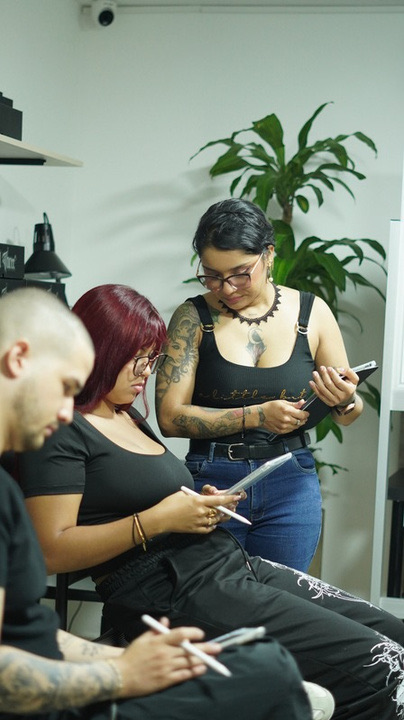
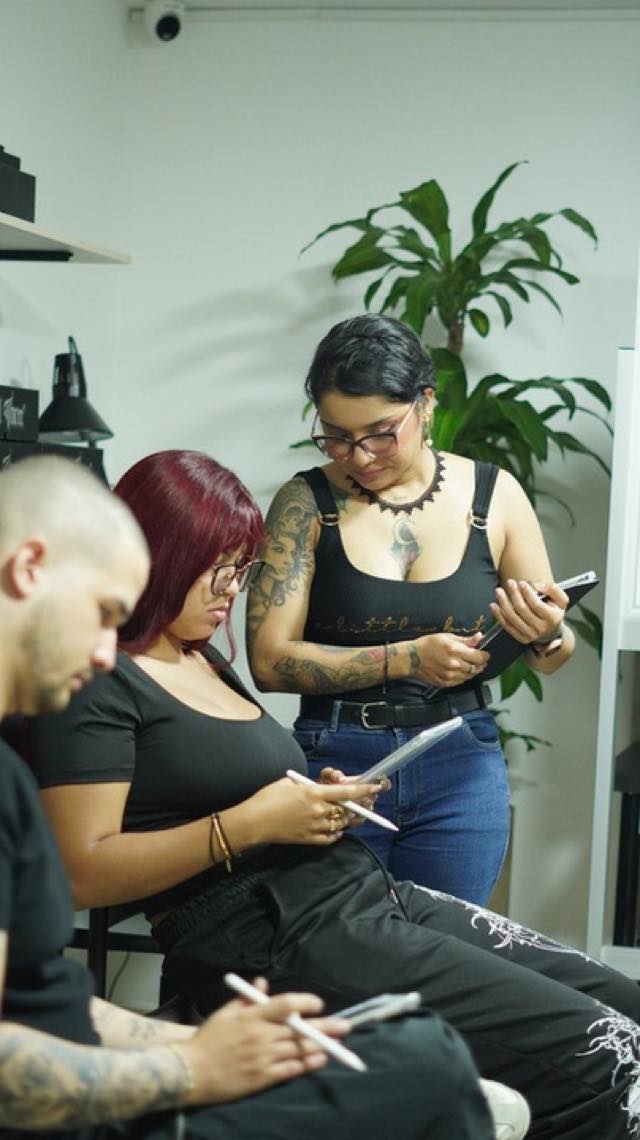
It helps, but it is not a requirement to start. Drawing can be trained: composition, proportions, light and shadow. Today much of the design work is also done in digital tools like Procreate, which make it easy to fix and test ideas. What matters is practicing every day and learning to “see” like a tattoo artist: how a design fits the shape of the body.
The 4 stages of learning to tattoo
| Stage | What you learn |
|---|---|
| 1. Drawing and design | Line work, composition, anatomy and digital design. |
| 2. Biosafety | Sterilization, disposables, protection and waste handling. |
| 3. Synthetic skin | Solid lines, shading, color packing and transitions. |
| 4. Supervised real skin | Skin stretching, depth, saturation and aftercare. |
How to practice without putting anyone at risk
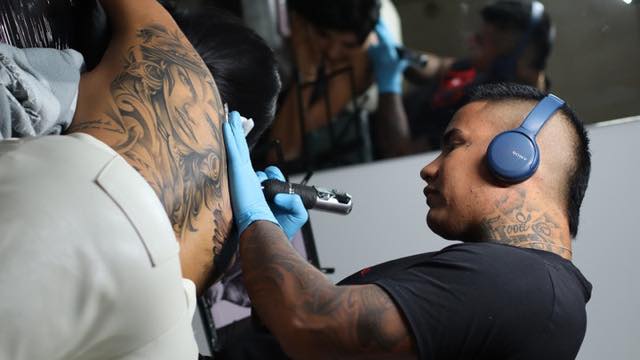
Synthetic skin is the standard practice tool: you can repeat lines and shading as many times as you need. Some people practice on fruit or homemade materials, but they don’t reproduce the feel of skin well. What you should never do is tattoo friends or family without supervision: besides the infection risk, a mistake on real skin is permanent.
Practicing on synthetic skin teaches you technique; practicing on real skin with someone beside you teaches you the craft.